Dodge Viper Spotter’s Guide: Every Gen, and the Truck Engine Underneath
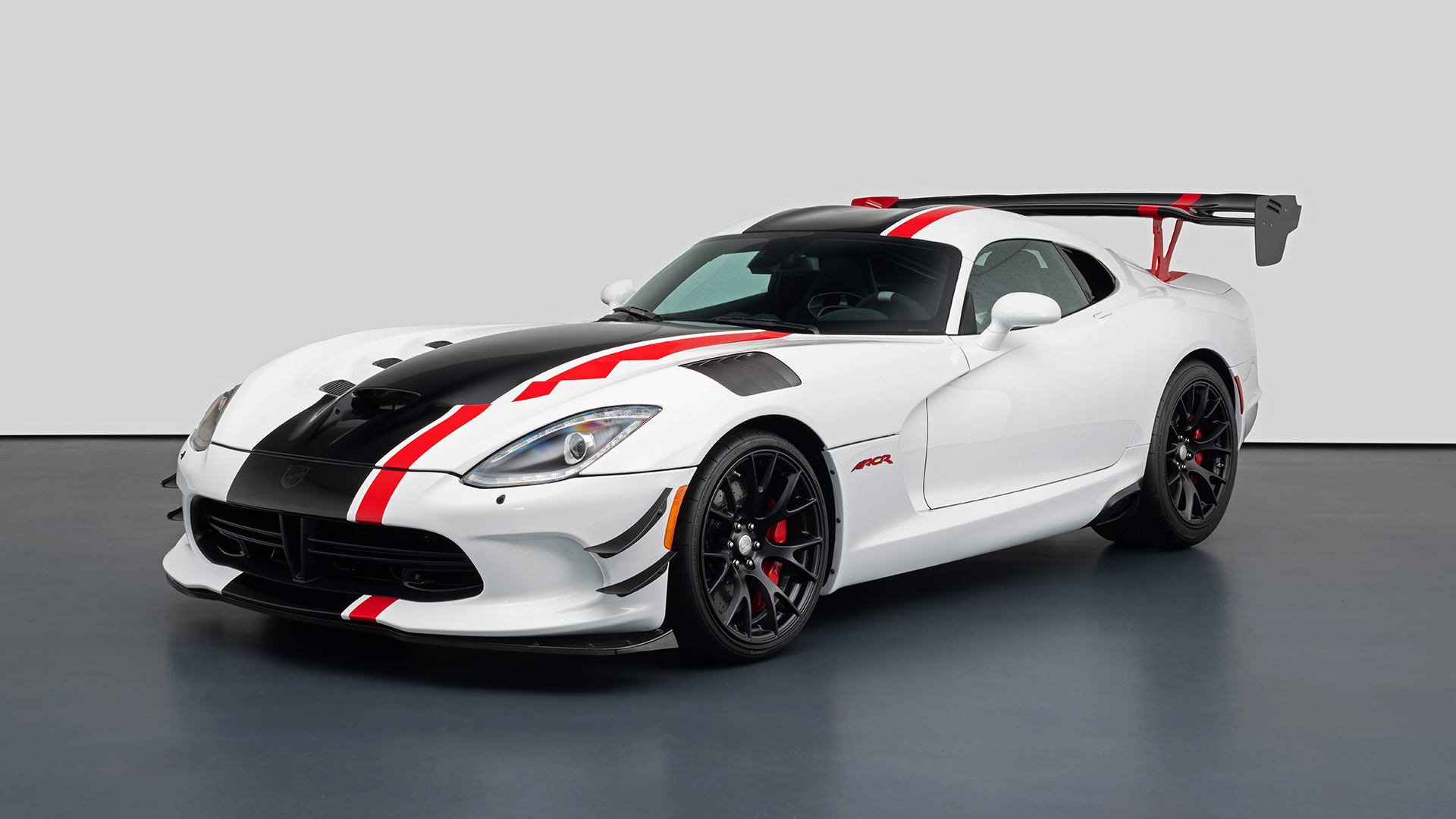
Some cars need a badge check. The Dodge Viper doesn’t. It’s one of those shapes your brain recognizes before your eyes finish focusing: a comically long hood, the cabin shoved way back, hips like a powerlifter in a tailored suit, and a stance that looks permanently mid-lunge.
The Viper’s whole deal is simple: big engine, minimal apologies. That philosophy shows up in the styling, the ergonomics, and especially the soundtrack—because this isn’t an exotic, high-revving V10 that sings soprano. It’s a baritone that shakes your sternum.
And then there’s the detail you can spot half-asleep: the illuminated Viper badge. When that little snake logo is glowing on the rear, you don’t need to read anything else—your brain just goes, yep, Viper.
Why it’s instantly identifiable
The Viper has a silhouette that looks like it was designed with a ruler and a dare:
- - Long-hood / short-deck proportions
- - Big, rounded fenders over wide wheels, like the body is trying (and failing) to contain the torque.
- - Functional drama: vents, scoops, and openings that look like they were punched in because something underneath needed air right now.
And as a pure “DailyCarQuiz clue,” you’ve also got a famously easy rear-end tell on many cars: four circular taillights (especially on the earlier generations). Even if you don’t personally use it as your first spotter trick, it’s one of those pub-quiz identifiers that lives in car culture.
Gen-by-gen design identifiers (the “don’t embarrass yourself” guide)
Viper generations are basically the same monster in different outfits. Here’s how to call the right one quickly.
Gen I — SR I (1992–1995): the bare-knuckle original
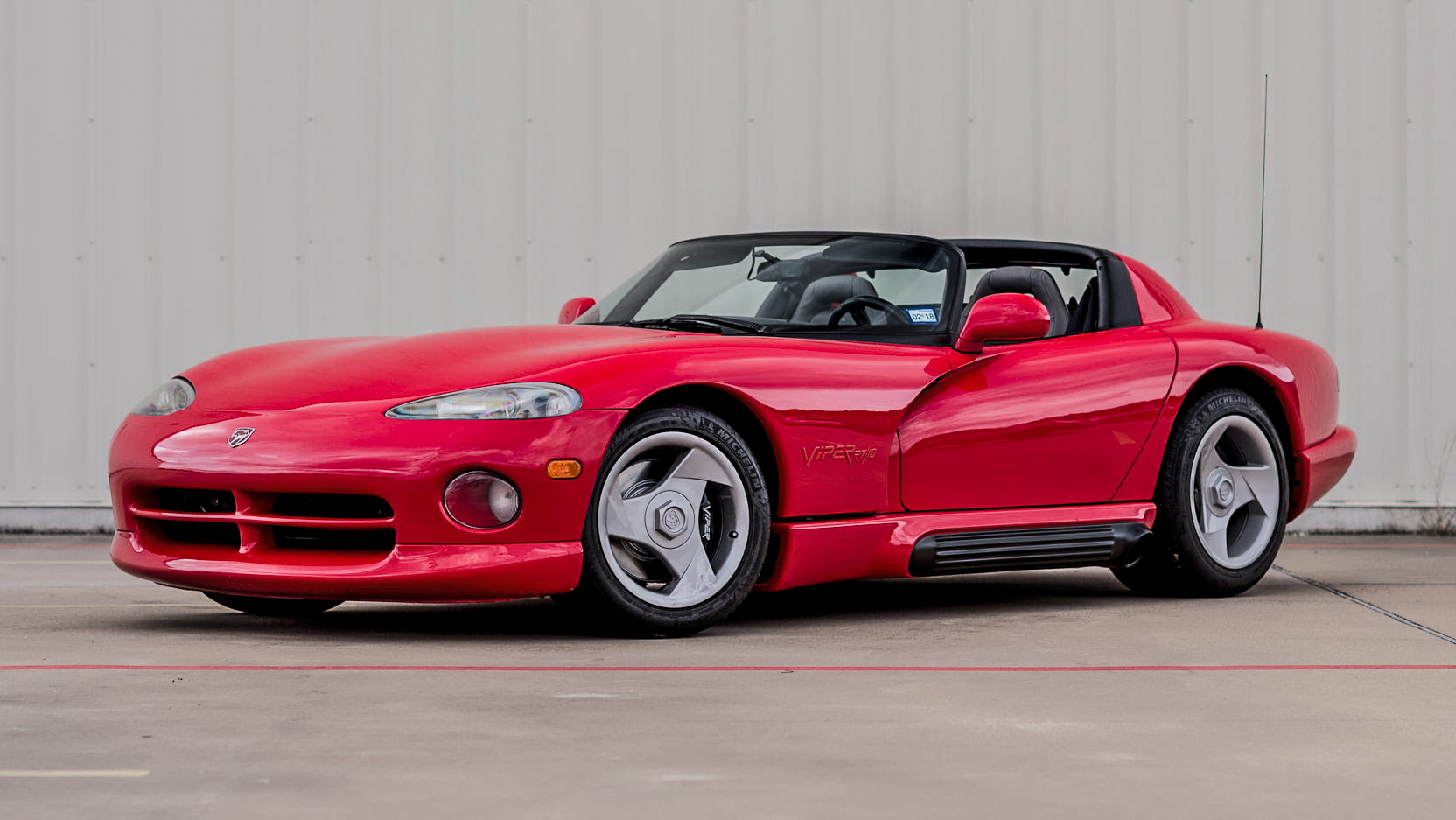
This is the Viper at its most “they actually sold this??” stage.
- - Early cars are RT/10 roadsters, and the whole vibe is minimal: less refinement, more raw presence.
- - Smooth, simple body surfacing compared to later cars—still dramatic, but more “prototype” than “sculpted.”
Spot it by: the most old-school, unfiltered look—like a 90s concept car that escaped.
Gen II — SR II (1996–2002): double-bubble GTS energy
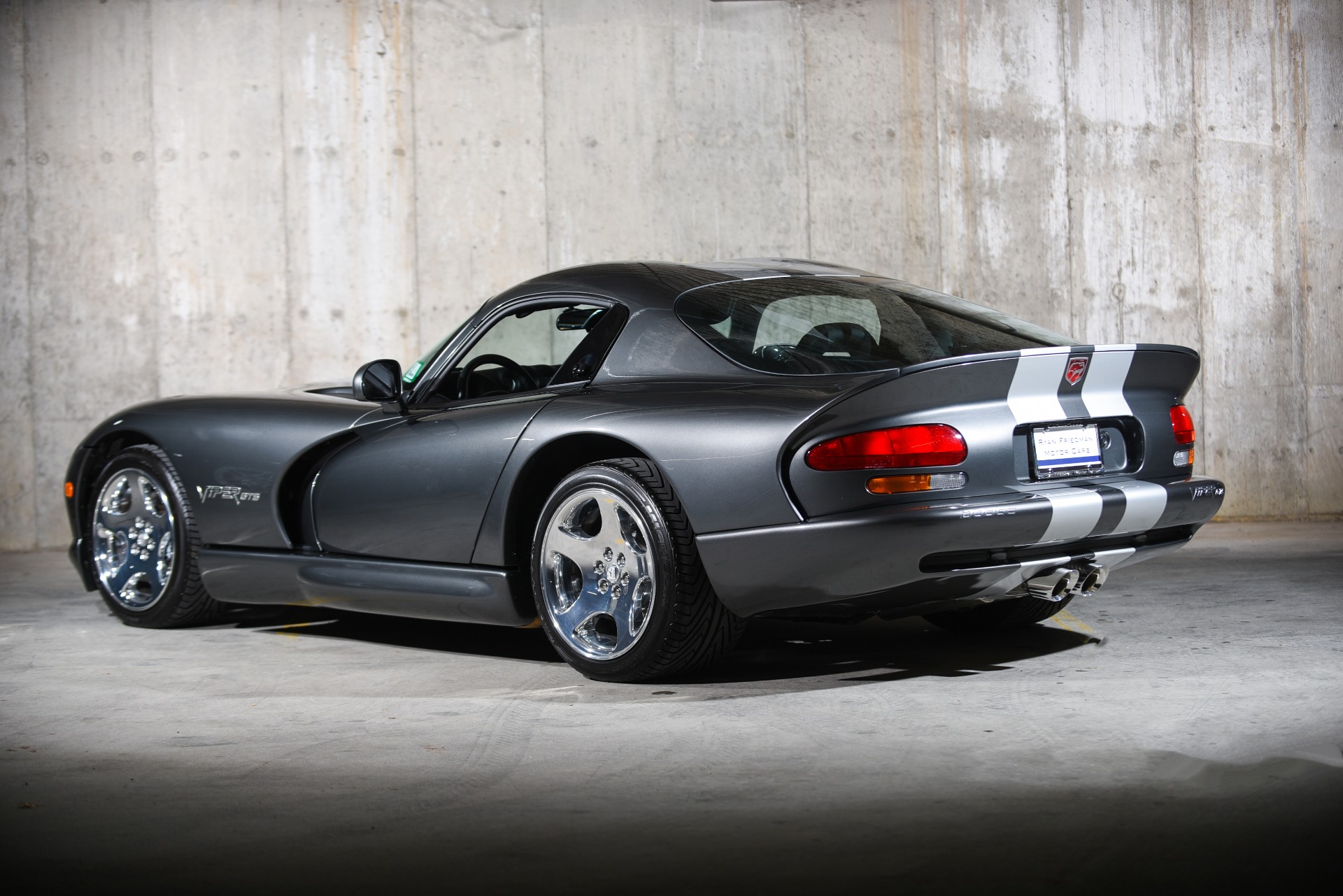
This is the generation that burned the Viper into posters and bedroom walls.
- - The easy tell is the Viper GTS coupe: that iconic double-bubble roof that looks like it was shaped around two helmets.
- - The rear design is clean and classic, and this era is commonly associated with a more traditional rear-exit exhaust layout on many cars (especially compared to the later side-sill identity).
Spot it by: coupe + double-bubble roof = instant SR II GTS call.
Gen III — ZB I (2003–2006): modernized shape, side-exit attitude
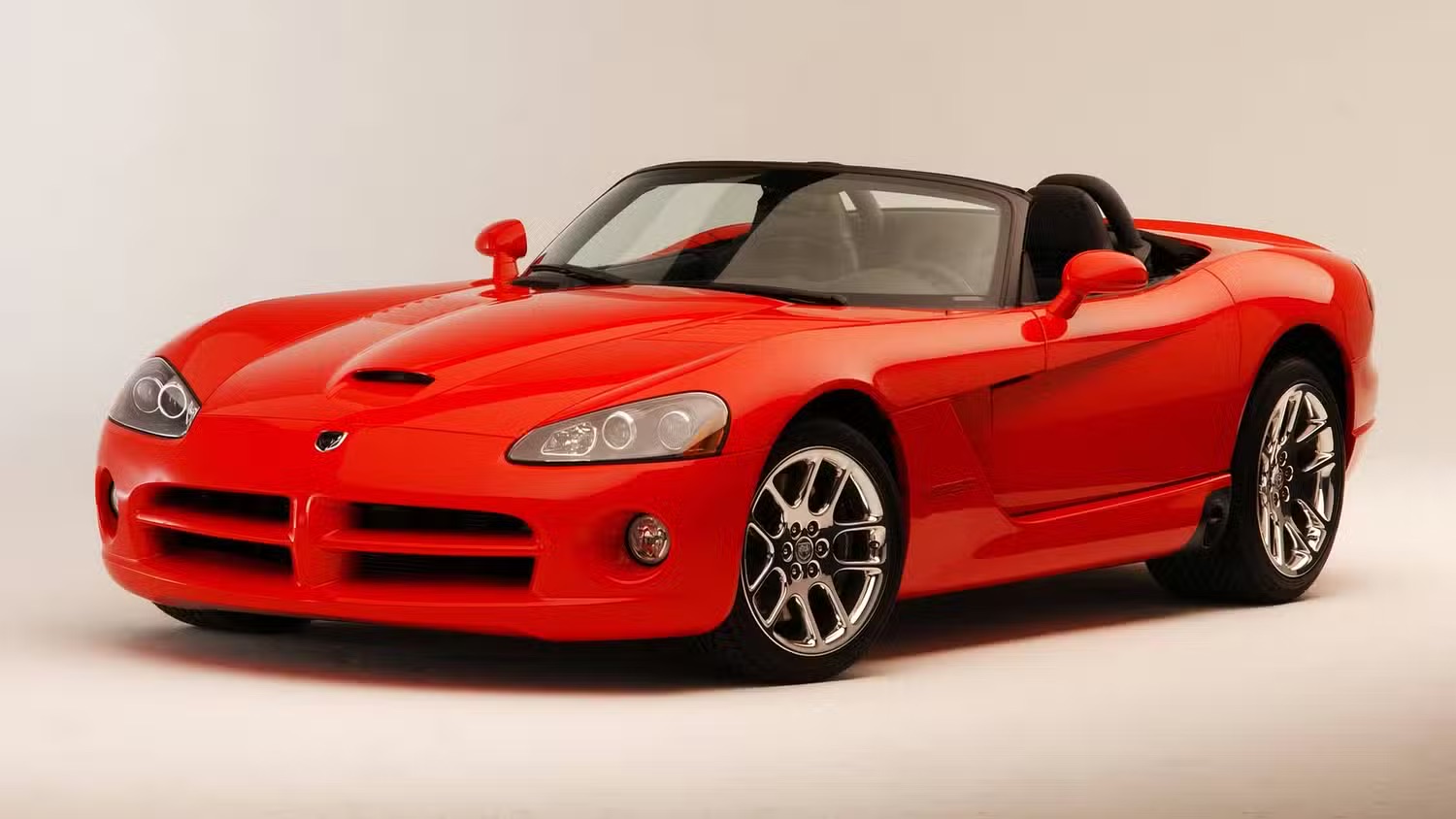
The Viper tightens up here. It’s still a Viper, just less “kit car angry” and more “factory supercar.”
- - This is where the side-exit exhaust becomes a big part of how people remember the car—exiting ahead of the rear wheels, right into the side sills.
- - Visually: more refined curves and surface tension, but the proportions stay hilariously aggressive.
Spot it by: side-exit pipes + cleaner early-2000s styling.
Gen IV — ZB II (2008–2010): sharper, meaner, more track-coded
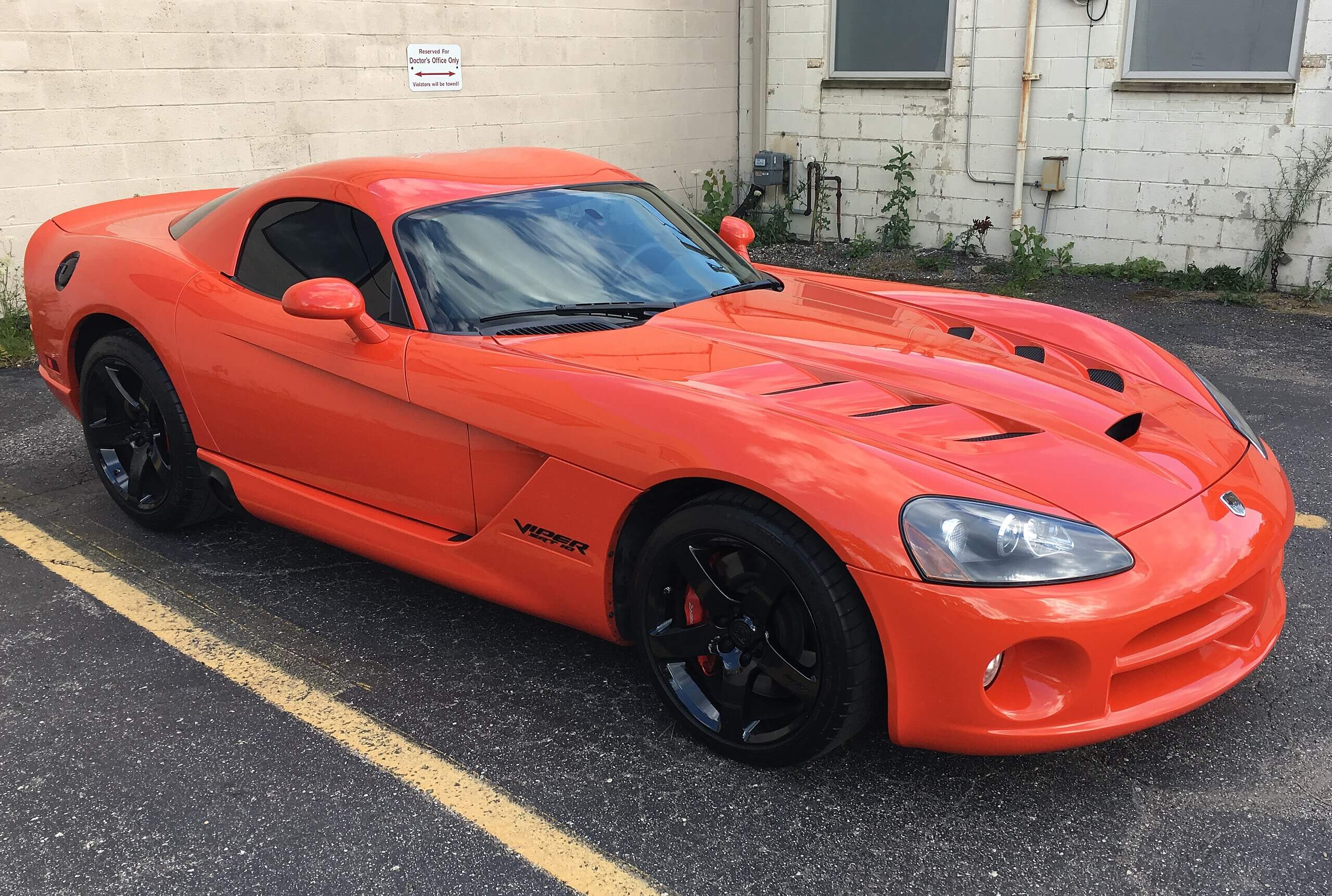
Think Gen III, but with the details turned up.
- - Subtle exterior revisions and a more purposeful look overall.
- - This is also where the Viper’s reputation leans harder into track-day legend territory (especially with ACR chatter in enthusiast circles).
Spot it by: looks like Gen III, but “more serious,” less rounded.
Gen V — VX I (2013–2017): the final form
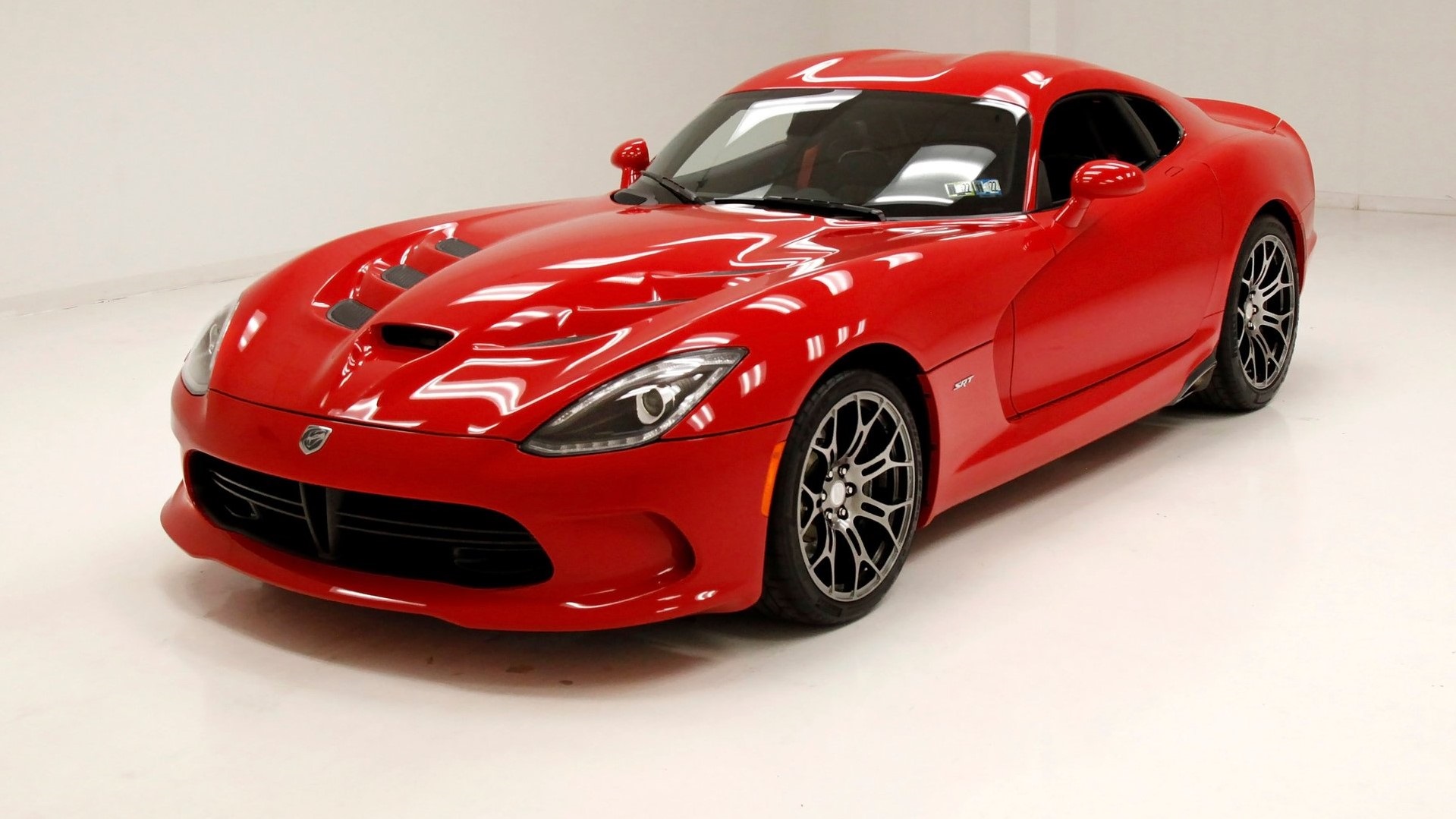
The last Viper is the most grown-up… while still being a Viper.
- - More modern lighting signatures and a more sculpted, angular body.
- - Still has the classic proportions: hood for days, cabin back, shoulders wide.
- - It looks like what happens when a Viper gets a modern gym membership and a tailor.
Spot it by: the most contemporary face and body surfacing, while still screaming “Viper” from 200 feet away.
The V10 sound: why the Viper growls instead of screams
If you’ve heard an Audi/Lamborghini V10, you know the template: tight, exotic, and rising into a sharp, ripping wail as the revs climb.
The Viper is a different species.
What creates the sound
- - Huge displacement is the headline. The Viper’s V10 is an absolute unit, and that means each combustion pulse has more weight behind it.
- - It’s a naturally aspirated engine (no turbos), so you’re hearing raw airflow, combustion, and exhaust—not boost noises or turbine “whoosh.”
- - The vibe is often described as truck-derived in character—not literally a pickup engine you yanked from a Ram, but conceptually: big torque, big cylinders, and an attitude that doesn’t need high RPM to feel violent.
- - The hardware choices push it toward low-end authority rather than a high-rev crescendo, so the sound lives in a deeper register.
What it sounds like in human terms
- - Idle: heavy, confident, a little lumpy—like it’s impatient.
- - Low-to-mid revs: thick rumble that feels like the whole chassis is part of the instrument.
- - Full pull: not a scream—more a blunt roar, like tearing canvas.
And when you get a Viper with side-exit exhaust, the sound hits even harder because it’s not politely routed to the back of the car first. It’s right there, beside you, closer to your ears—like the car is heckling the street.
Pop culture & car-nerd lore: the Viper as a “boss car”
The Viper has always played the role of the intimidating American supercar—especially in games. If you grew up on Gran Turismo, Forza, or Need for Speed, chances are the Viper was one of the first cars that felt like a “boss fight”: huge power, huge presence, and a shape that looked fast even when pixelated.
And in car TV land, the Viper has long been used as shorthand for “unfiltered performance.” It’s the kind of car presenters love because it’s dramatic at 30 mph and borderline theatrical at full send. The Viper doesn’t need a plot twist—its existence is the plot twist.
Also: Viper people love joking about the side-sill heat. It’s one of those “you’ll learn” quirks—part of the charm, part of the threat, and 100% on-brand for a car that never pretended to be sensible.
Spotter’s guide: recognize a Viper fast (distance / night / sound)
At a distance
- - Cabin pushed way back + absurd hood length = Viper energy.
- - Wide hips and a low roofline: it looks like it’s crouching.
At night
- - Look for the illuminated Viper badge glowing on the rear—one lit-up snake and you’re basically done.
From the side
- - Side-exit exhaust (many later cars) is a huge visual tell—pipes ahead of the rear wheels.
- - The double-bubble roof is the Gen II GTS cheat code.
By sound
- - Deep low-rev V10 rumble that turns into a blunt roar.
- - Less “exotic scream,” more “torque monster announcing itself.”
And in a world full of turbo whooshes and same-y LED signatures, the Viper stays gloriously old-school: big displacement, big presence, big personality.