RB26 Skyline GT-R: The Sound, the Legend, and the Four Circular Taillights You Can Spot a Mile Away
Some performance cars are recognizable because of a badge. The RB26-powered Skyline GT-Rs are recognizable because of a shape in the dark: four round taillights, glowing like afterburners, instantly telling your brain “GT-R” before you’ve even processed the rest of the car.
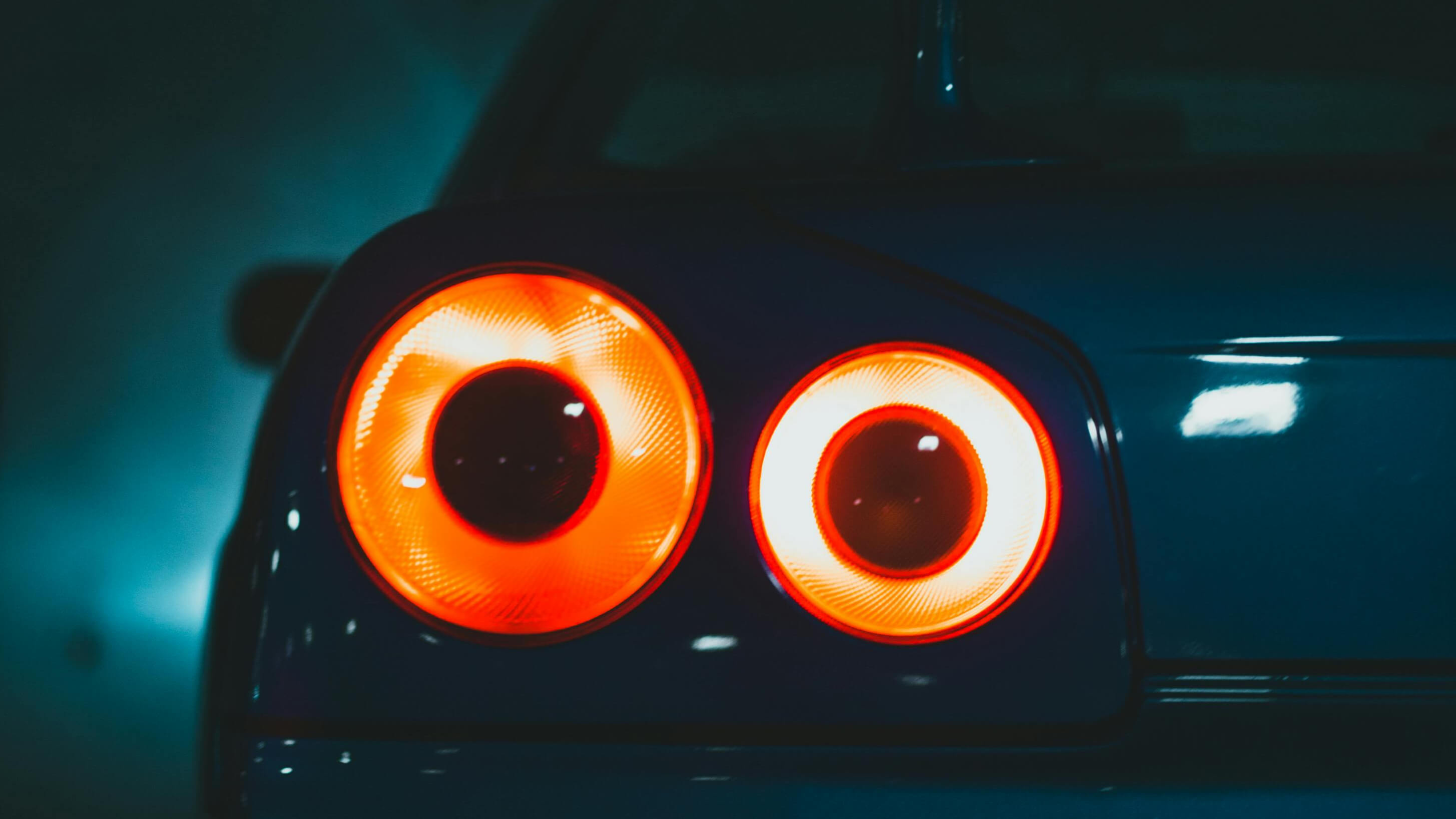
That’s the funny thing about the R32, R33, and R34 Skyline GT-R. They’re not just “old JDM icons.” They’re a visual and audio signature that still echoes today—because Nissan kept the four-circle taillight look alive, and because the RB26’s boosted straight-six voice became the sound people associate with a whole era of turbo tuning.
This is the story of the holy trinity—R32, R33, R34—and why you can still identify “a GT-R” with one glance and one soundbite.
The easiest GT-R identifier: the four circular taillights
If you only know one Skyline GT-R detail, it’s this:
- - Two round lights per side
- - Four total circles
- - Instant recognition at night
That design became a Skyline calling card long before the R32, but the RB26 era is where it turned into a global icon—especially because of how often those taillights appeared in street racing footage, video games, posters, and late-night “tunnel run” clips.
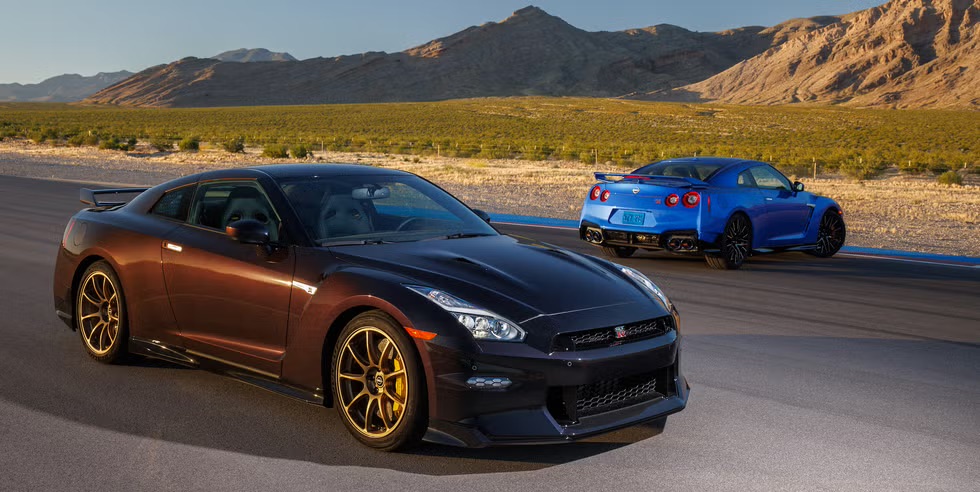
And the best part: even “nowadays,” when people say “GT-R,” a lot of minds still picture those circles first—because the modern GT-R kept the theme, turning the taillights into a kind of brand logo you can’t unsee.
Meet the RB26 trio: R32, R33, R34 (same heart, different personalities)
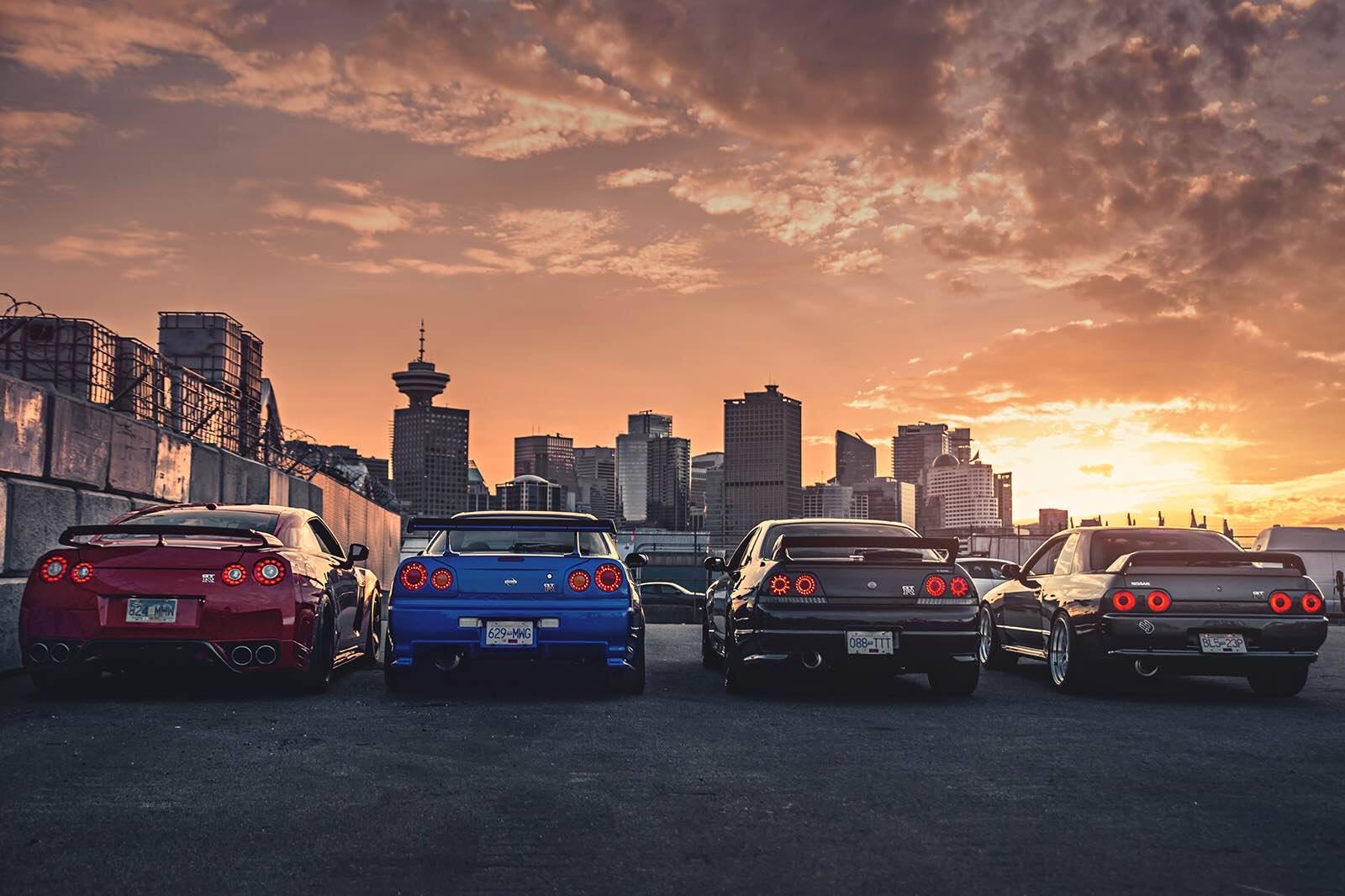
All three of these cars revolve around the same core identity:
- - RB26DETT (2.6L twin-turbo inline-six)
- - ATTESA E-TS AWD system
- - A reputation built on overengineering, traction, and tuning headroom
But each generation has its own vibe.
R32 GT-R: the blueprint (and the myth factory)
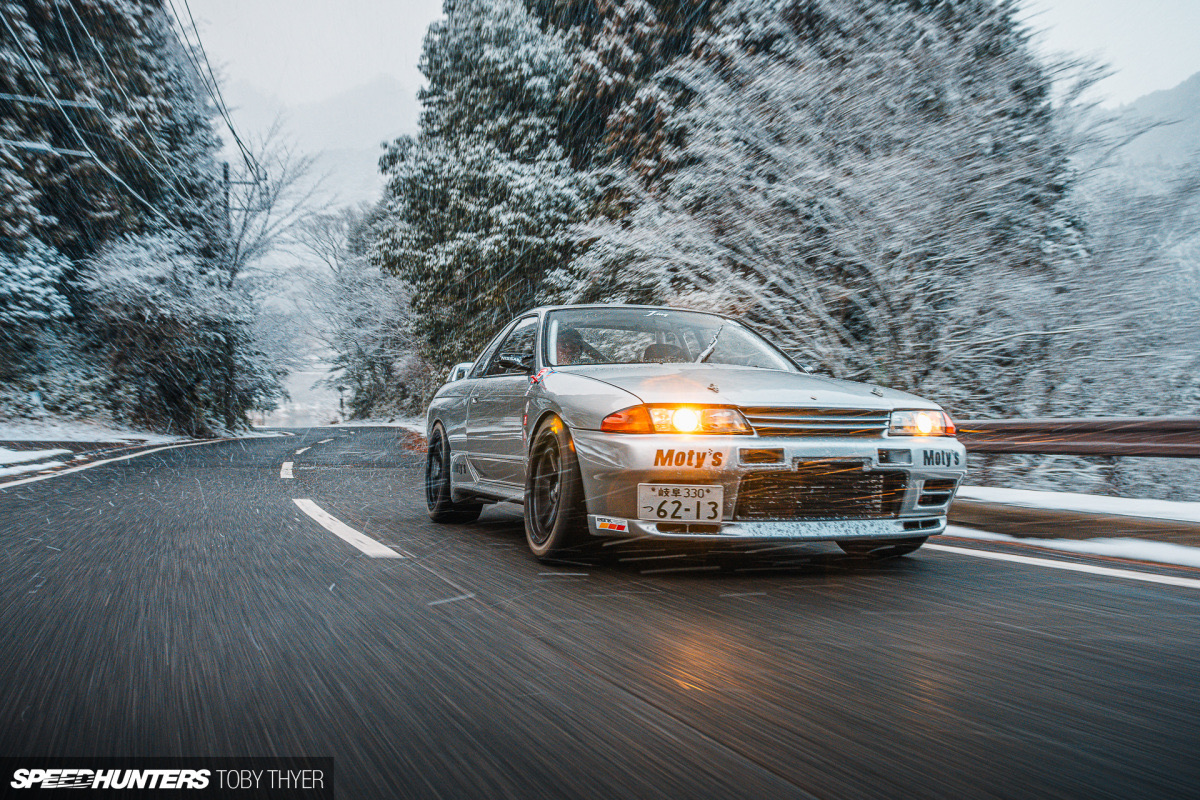
The R32 is the one that lit the match. Compact, purposeful, and absolutely obsessed with grip, it’s the car that cemented the GT-R as a performance cheat code—so dominant in motorsport and so capable on the street that it earned its monster reputation.
R32 energy is:
- - sharp edges
- - "built to win"
- - the most raw and foundational feeling of the three
If the R32 is a weapon, it’s a weapon that still looks like it was designed with a ruler and a grudge.
R33 GT-R: the grown-up, high-speed monster
The R33 is the underrated middle child, mostly because it got bigger and heavier—and people love to clown on anything that isn’t the original or the poster child.
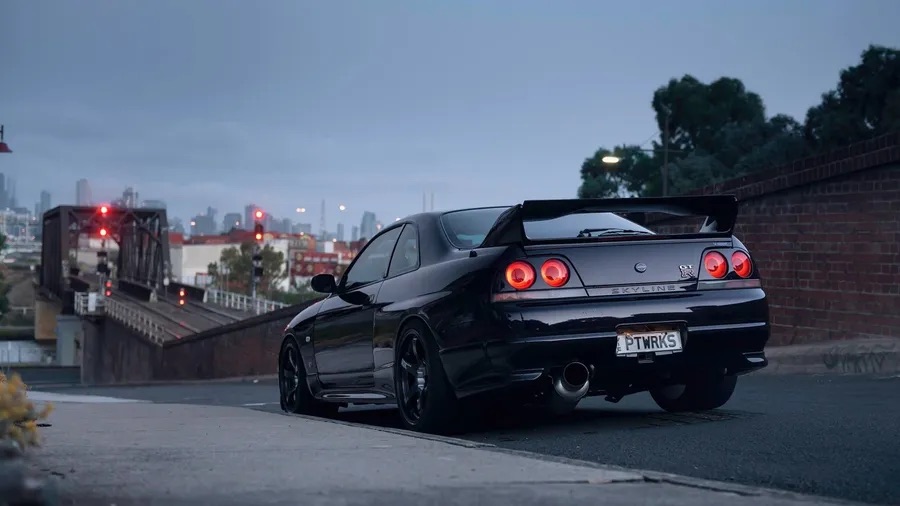
But the R33 has a very real strength:
- - it feels stable and confident at speed
- - it’s a high-speed, long-legged GT-R with a more mature demeanor
demeanor
R34 GT-R: the icon (tech, aggression, and poster status)
The R34 is the one that went full legend mode culturally. It’s the car that became a global symbol—especially thanks to games, movies, and the general “peak JDM era” aesthetic.
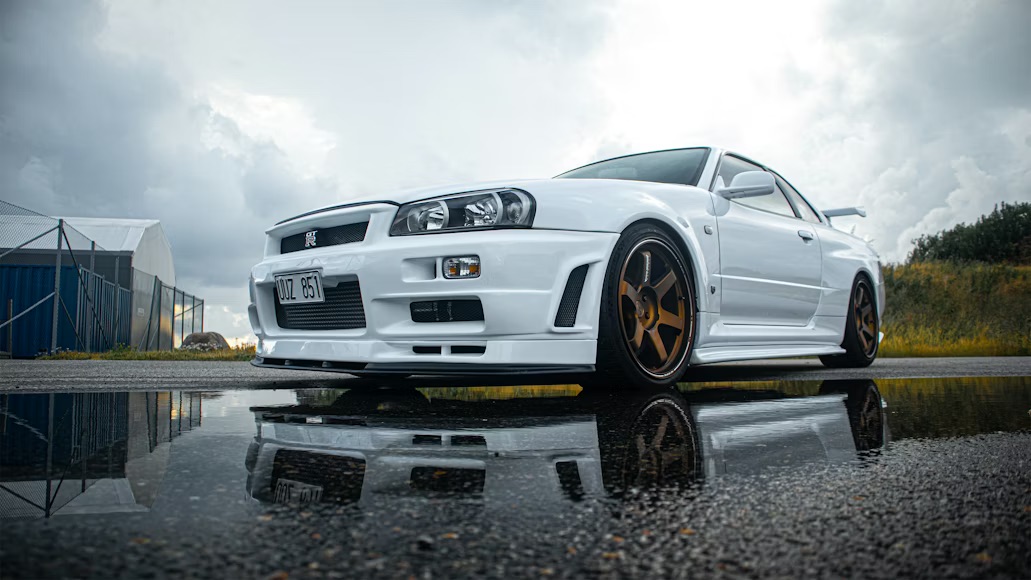
R34 energy is:
- - aggressive stance
- - tech-forward interior vibes
- - the one everyone can identify instantly, even if they don’t know cars
It’s also the generation where the GT-R’s identity started to feel like a brand, not just a trim.
The RB26 sound: a straight-six that became a whole culture
A naturally balanced inline-six has a particular kind of smoothness. The RB26 takes that smoothness, adds boost, and turns it into a soundtrack that’s both mechanical and addictive.
When people talk about “RB26 sound,” they usually mean a few things layered together:
- - The hard-edged straight-six tone as revs rise
- - Turbo spool (that rising whistle as boost builds)
- - Wastegate chatter under load (especially on modified setups)
- - And, in modern car culture… urbo flutter
Why “turbo flutter” is now synonymous with RB26 GT-Rs
If you’ve spent any time around modified GT-R clips online, you’ve heard it: that staccato chu-chu-chu-chu when the driver lifts off throttle.
That sound—turbo flutter—is basically internet shorthand for “old-school boosted JDM monster,” and RB26 Skylines are one of the most common cars associated with it.
But here’s the key detail most people miss:
Turbo flutter isn’t “an RB26 thing,” it’s a setup thing
Flutter typically happens when:
- - the throttle closes,
- - boost pressure has nowhere easy to go,
- - and the compressor sees turbulent airflow (often called compressor surge).
Many enthusiasts chase it because it sounds violent and analog—like the car is barely contained.
Stock-ish cars often don’t flutter much
From the factory (or with conservative mods), a boosted car usually uses bypass/recirc valves to relieve pressure smoothly. That produces more of a clean “whoosh” than a fluttering chatter.
So if you’re hearing big flutter in clips, you’re often hearing:
- - aftermarket intake + turbo setup
- - valve choices/tuning decisions that emphasize the sound
- - a build that’s optimized for vibes as much as for longevity
That doesn’t make it “fake”—it just means the RB26 became the canvas, and the tuner world painted the soundtrack on top.
Why these GT-Rs are still easy to recognize today
Even decades later, the RB26 Skyline GT-Rs are identifiable because they have two signatures that stuck:
- The taillights: four circles that read “GT-R” instantly, even in a grainy night video
- The sound: spool, boost, and the modern cultural association with turbo flutter
That’s why you can show someone a two-second clip—just taillights disappearing into the dark with a quick lift-off flutter—and they’ll say, “That’s a GT-R,” even if they can’t tell you whether it’s an R32, R33, or R34.
The RB26 era is a “language” now
The R32, R33, and R34 aren’t just cars people like. They’re a shared reference point—an aesthetic, a sound, and a lineage you can spot instantly.
The RB26 gave the Skyline GT-R a voice. The four circles gave it a silhouette in the dark. And together they created something rare: a performance car that became a cultural symbol.
Which is exactly the kind of thing DailyCarQuiz people tend to love.