The Lamborghini Murciélago is the kind of car that makes normal traffic feel like it should pull over out of respect. It’s the successor to the Diablo, the early-2000s flagship V12, and arguably the last Lamborghini that still feels a bit… hand-built and unfiltered in the best way. You don’t “see” a Murciélago so much as you notice a disturbance in the atmosphere—then the V12 confirms it.
And if you’re into car trivia (hi, DailyCarQuiz people), the Murciélago is a goldmine: scissor doors, active aero bits, a big mid-engine stance, and one of the most recognizable naturally aspirated V12 soundtracks of the modern era. Plus, it has a famous “alternate skin” in the Lamborghini Reventón—a Murci-based few-off that looks like it was designed with a stealth bomber mood board.
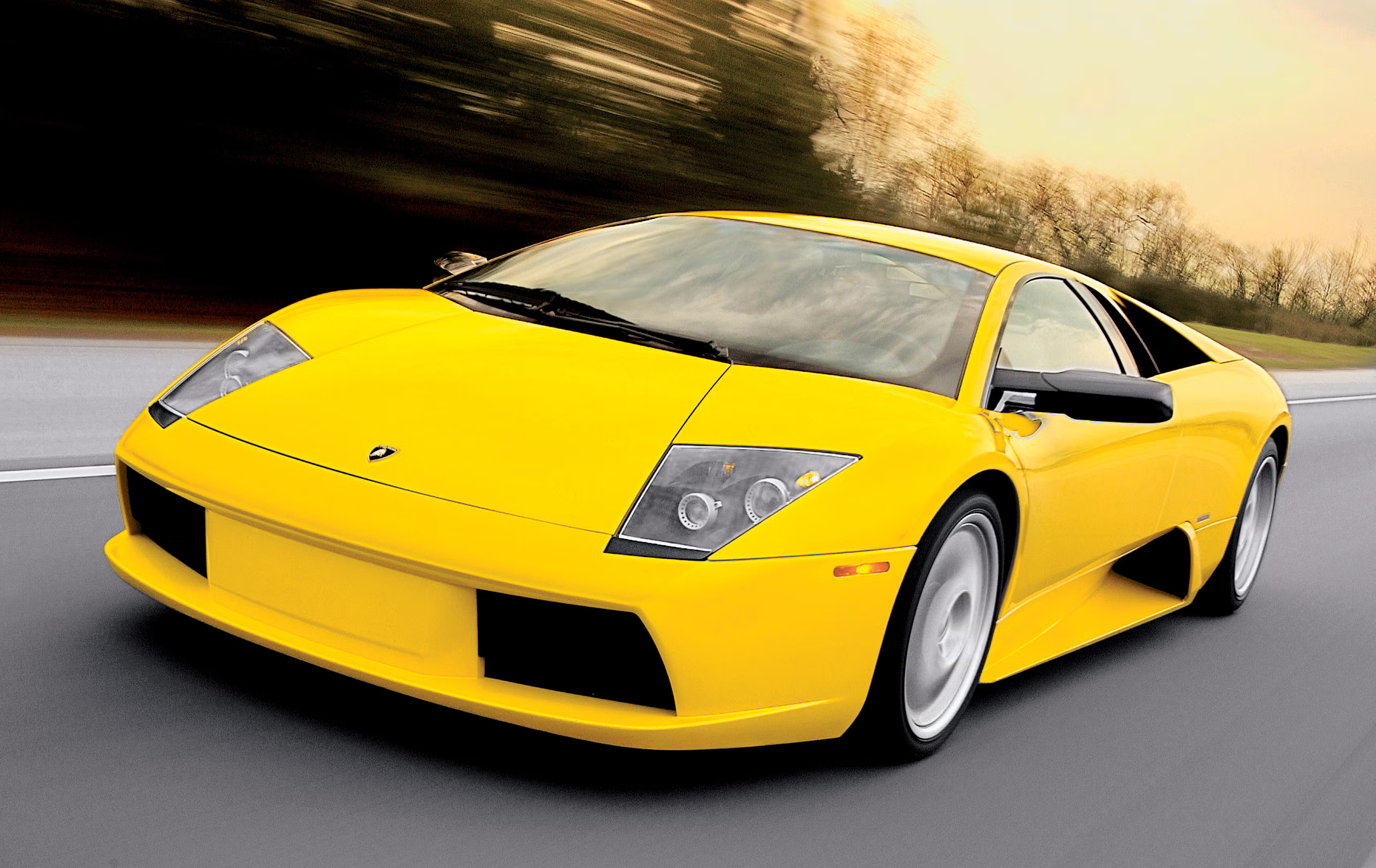
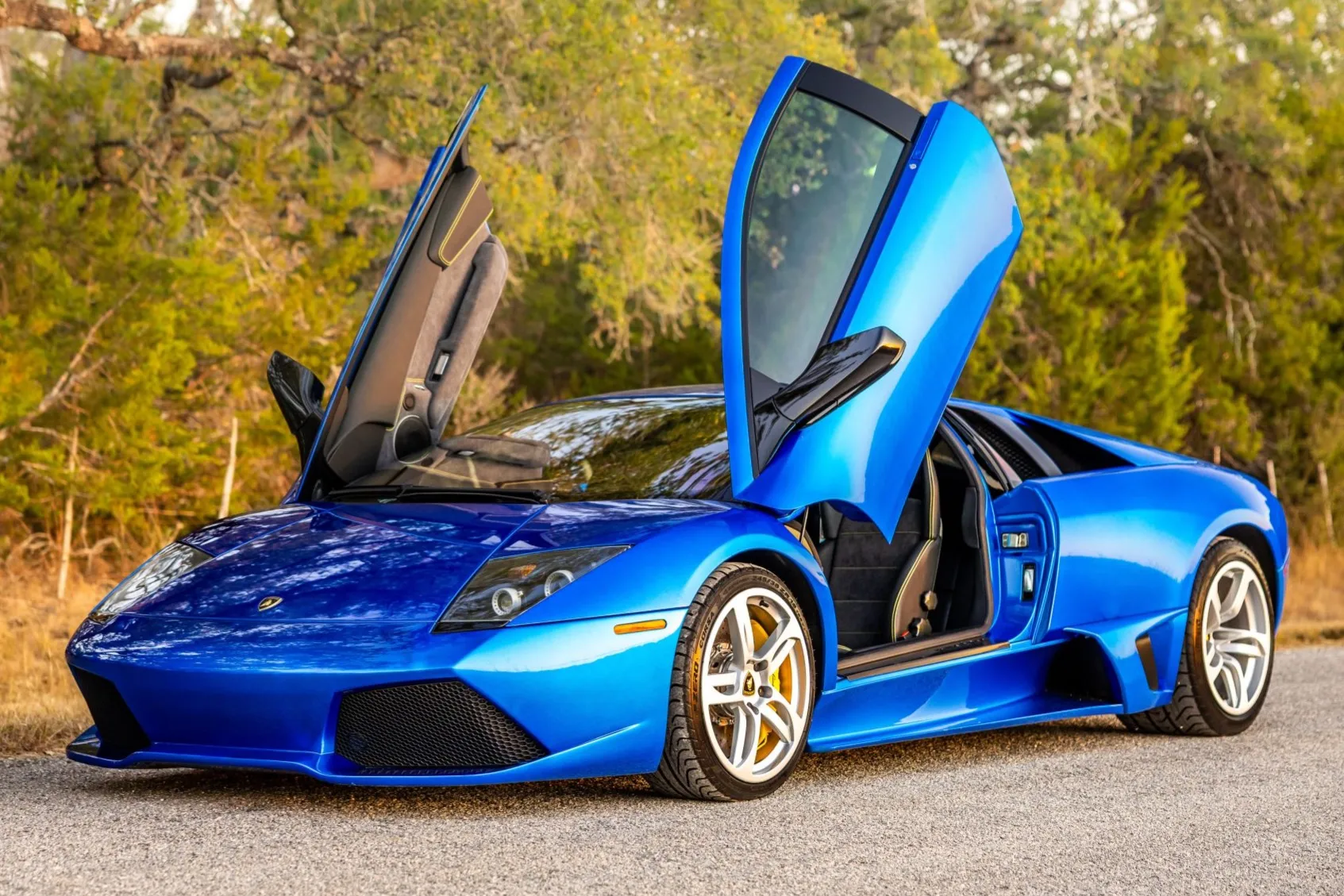
Why it’s instantly identifiable: the “flagship wedge” with scissor doors
The Murciélago has that classic Lamborghini flagship silhouette: a sharp wedge, a low roofline, and a cabin that feels carved into the chassis rather than placed on top of it. But the real instant-ID features are the ones that scream “this is not a Gallardo.”
- Scissor doors — the Countach/Diablo/Aventador family trait. If the door goes up, your odds of “Murciélago” just improved.
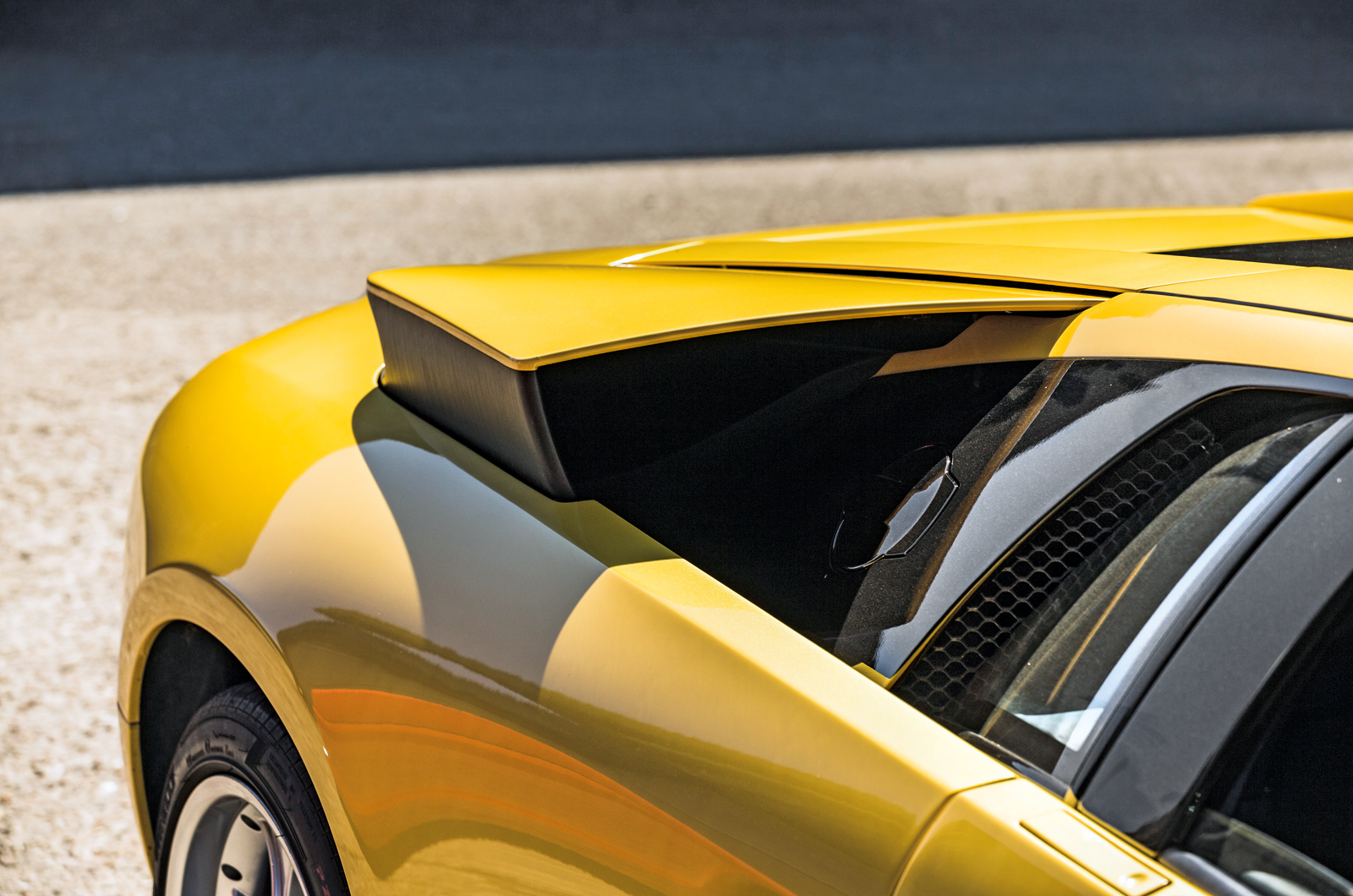
- Huge shoulder intakes — the side intakes are a defining part of the car’s shape, visually anchoring that mid-engine layout.
- Long, low nose with a clean wedge profile that looks more “flagship” than “junior supercar.”
- Wide rear track — it sits like it’s braced for impact at all times.
Murciélago vs Murciélago: the facelift tells (LP640 era)
Murciélagos run from the early 2000s into 2010, and the easiest “spotter” split is the major update that arrives with the LP 640. You don’t need to memorize every year—just learn the handful of visual cues that scream “facelift.”
- Revised front and rear fascias — the facelift looks a bit more modern and sharpened.
- Asymmetrical side intakes — one side is shaped differently because it’s feeding specific cooling needs.
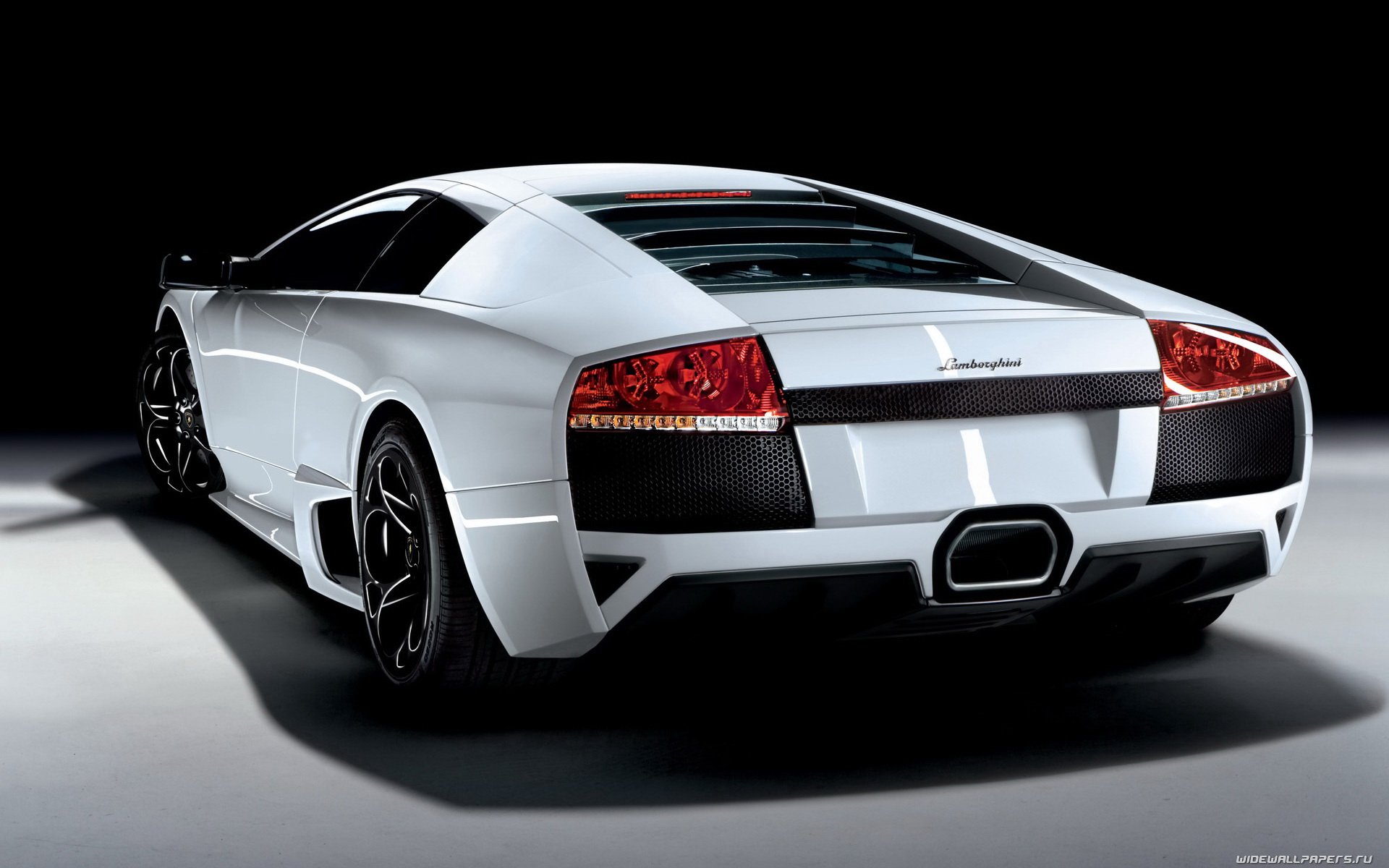
- Single central exhaust outlet integrated into the rear diffuser — a very “LP640” detail that becomes a quick rear-end giveaway.
Murciélago quick timeline (trivia-friendly)
- Production: 2001–2010
- Early cars: 6.2L naturally aspirated V12 (around 580 PS)
- LP640 facelift: 6.5L naturally aspirated V12 (640 PS)
- Ultimate variant: LP 670–4 SuperVeloce (670 PS)

Reventón quick timeline
- Debut: 2007
- Ultra-limited: 20 sold + one "00/20" museum car; later 15 Roadsters
The signature sound: a naturally aspirated V12 that makes tunnels feel mandatory
The Murciélago’s calling card is the way its V12 builds from thunder to scream. There are no turbos here—no spool, no whoosh, no turbo flutter. Just airflow, combustion, and a big-displacement V12 climbing into a sharp, metallic howl.
At idle, it’s deep and heavy—like the engine is clearing its throat. As revs rise, the note tightens and gets more “blade-like,” especially near the top end where it starts sounding less like a car and more like a piece of aviation equipment. The best part? Because it’s naturally aspirated, the throttle response feels immediate—what you do with your foot shows up in the sound right away.
A Murciélago doesn’t just sound fast. It sounds like it’s offended you considered driving it quietly.
Pop culture & car-nerd lore: Batman, games, and the perfect name
The Murciélago has one of the most fitting “real world cameo” resumes in supercar history. It shows up as Bruce Wayne’s ride in Batman Begins and The Dark Knight—which is extra perfect because “Murciélago” is Spanish for “bat.” That’s the kind of trivia detail that feels like it was written by a car nerd who got hired by Hollywood.
It’s also a racing-game era icon. The Murciélago has been a cover car and a roster staple in the Need for Speed / early-2000s supercar boom, which is why so many people can identify it even if they’ve never seen one in person. Your brain remembers the shape from pixels and posters.
The Reventón: a Murciélago in fighter-jet cosplay (but in the coolest way)
If the Murciélago is the flagship wedge, the Reventón is the same idea after Lamborghini binge-watched aviation documentaries. Underneath, it’s closely related to the Murciélago platform, but the bodywork goes full stealth-fighter: sharp edges, polygon surfaces, and a “classified prototype” vibe. It’s also ultra-limited—one of the early modern examples of Lamborghini doing a true few-off collectible.
- Design theme: stealth/fighter-jet inspiration with hard creases and angular panels.
- Interior vibe: cockpit-like instrumentation that leans into the aviation theme.
- Rarity: extremely limited production—spotting one is basically winning a real-life loot drop.

Spotter’s guide: how to recognize a Murciélago fast (and not call it a Gallardo)
- From a distance: bigger, wider, more “flagship” proportions than a Gallardo—especially in the rear stance.
- Door clue: scissor doors = Murciélago family (not a standard Gallardo feature).
- Side profile: massive shoulder intakes + wedge body that looks like a clean, purposeful blade.
- Rear clue (LP640 era): single central exhaust integrated into the diffuser is a strong facelift tell.
- By sound: naturally aspirated V12 that rises from deep rumble into a sharp, metallic scream—no turbo noises, just pure engine.
- Reventón check: if it looks like a stealth aircraft with scissor doors, you’re in Murci-based few-off territory.
The Murciélago is one of those cars where one clue is enough: scissor doors, flagship wedge proportions, LP640’s single center exhaust, and that unmistakable NA V12 scream. Add the Reventón’s fighter-jet styling to your mental library and you’ve basically upgraded your car-spotting skill tree.
Want to test the “sound recognition” part? Jump into RevQuiz and see if you can pick the Murciélago out of a lineup of V12s. If you can, you’re officially the person everyone texts when a mysterious supercar clip hits the group chat.