The Lamborghini Diablo SV is pure 1990s supercar theatre: a low-slung wedge with scissor doors, a V12 sitting right behind your spine, and enough attitude to make a neon windbreaker look subtle. It’s the Diablo that leaned into the drama—bigger aero, louder visuals, and a reputation for being equal parts poster-car fantasy and 'why is everything slightly uncomfortable?' reality. And that contrast is exactly why the SV is so memorable: it’s a supercar that doesn’t try to be polite.
Why the Diablo SV is instantly identifiable
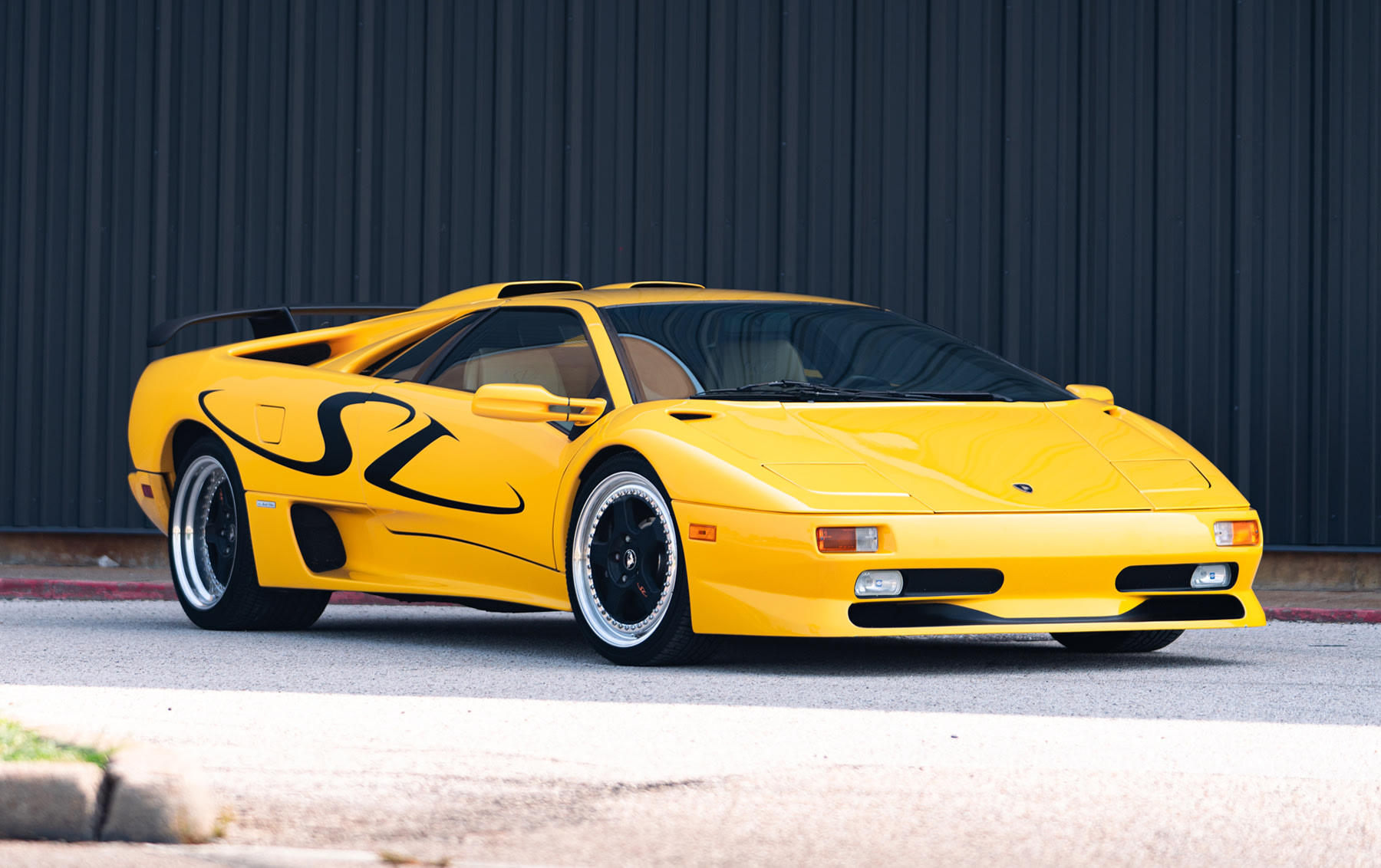
Even among Lamborghinis, the Diablo has a silhouette that screams its name before you even spot the badge. The roofline is flat, the windshield is raked like it’s trying to cut air with spite, and the whole car looks stretched over massive rear tires. It’s a mid-engine shape, but not the curvy, modern kind—this is a sharp-edged wedge that still feels like it was designed with a ruler and a power pose.
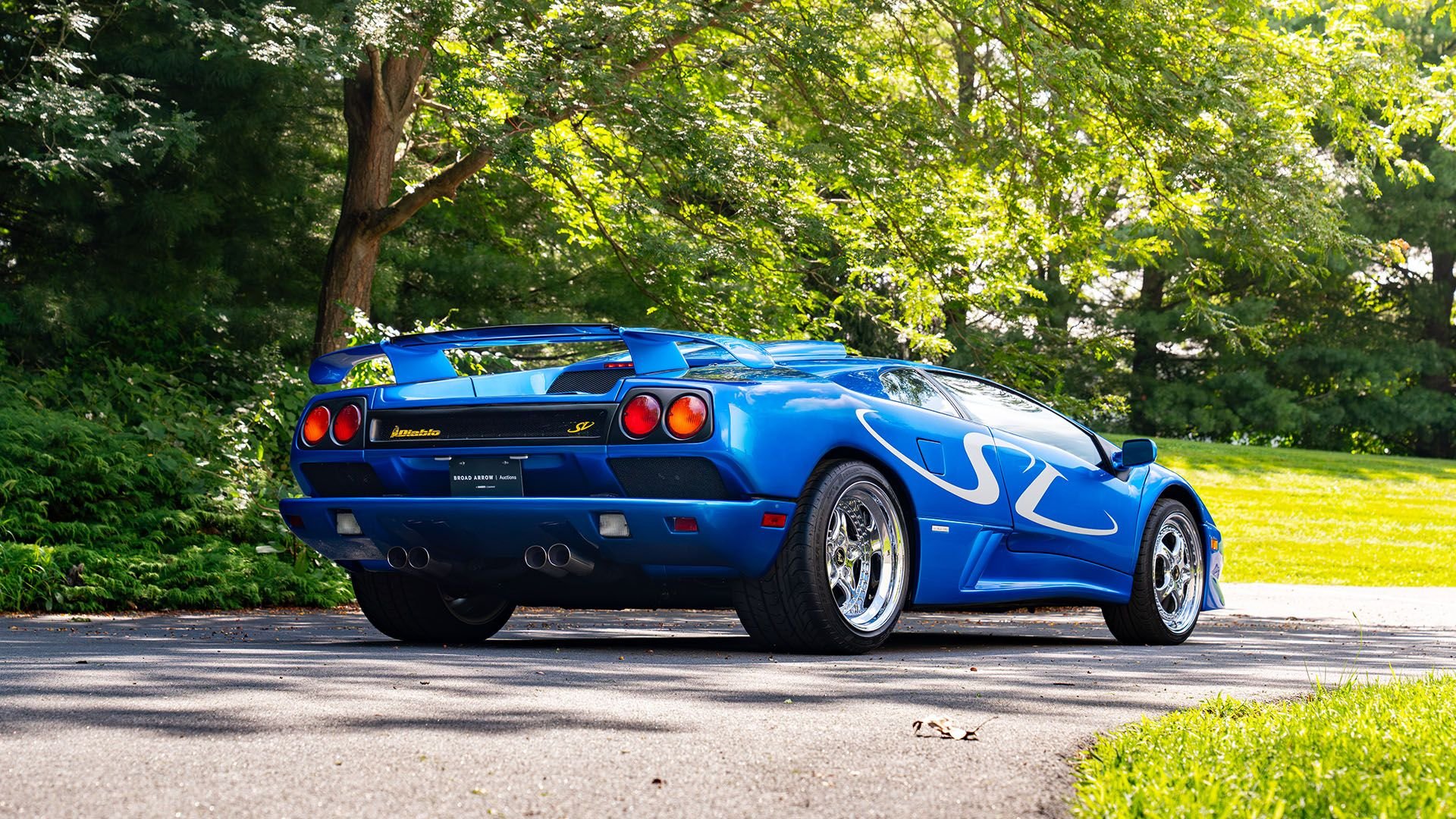
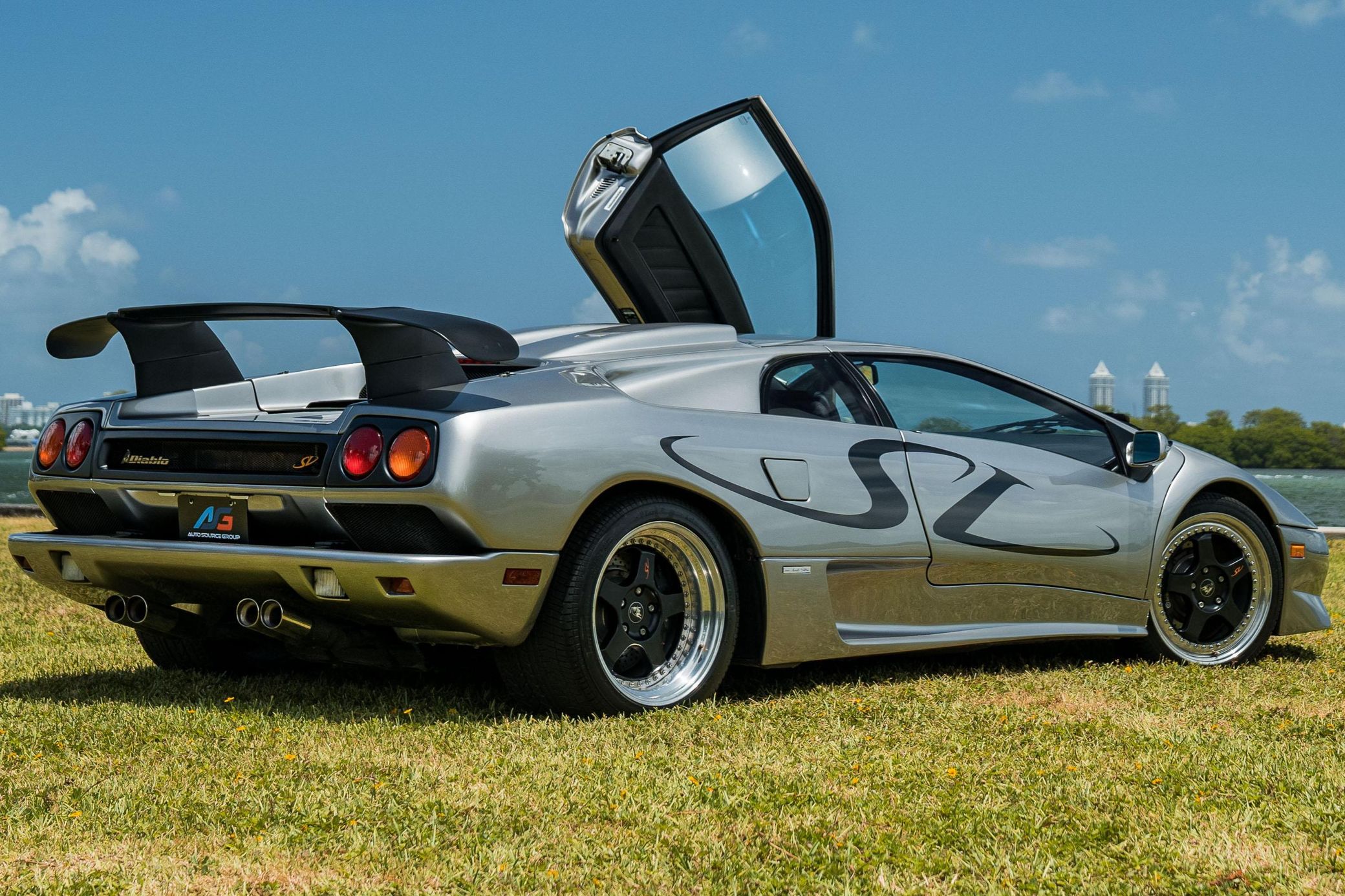
The SV twists the volume knob up. The most famous visual tell is the giant “SV” script splashed across the doors—so loud it feels like it should come with its own subtitle track. Pair that with the optional high rear wing and you’ve got the Diablo variant that looks like it’s already doing 180 mph while parked.
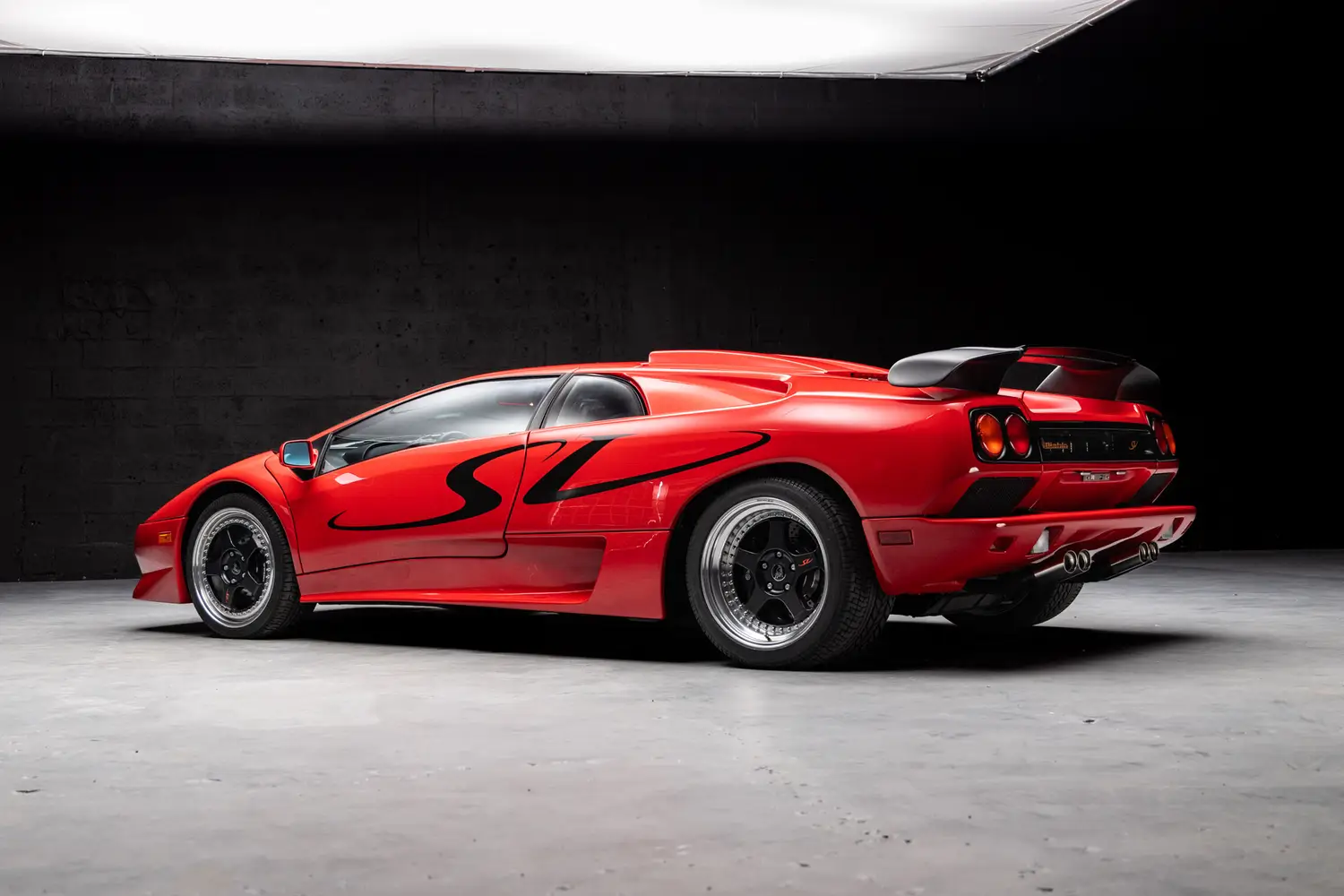
Then there are the details car nerds clock instantly: the deep side intakes feeding the mid-mounted engine, the broad rear haunches, and that classic Diablo stance—front low, rear wide, like it’s squatting to launch. If you’re looking at a later facelift SV, the fixed headlights are another easy giveaway; earlier SVs keep the iconic pop-ups for maximum “night time poster” energy.
The signature sound: a V12 that feels like it’s in the cabin
The Diablo SV’s soundtrack is one of those noises that doesn’t just happen—it occupies the space around you. You’ve got a naturally aspirated 5.7L V12 (no turbos, no muffled whoosh excuses), so the response is immediate: throttle in, revs rise, and the sound builds from a deep bellow into a hard-edged, metallic wail. It’s not a modern, cleaned-up supercar note. It’s raw, mechanical, and slightly unhinged in the best way.
A Diablo SV doesn’t “start.” It announces itself—like someone kicked open the door to a nightclub made entirely of pistons.
— Every Diablo owner, basically
A big part of the Diablo SV experience is proximity. With the engine just behind you, you don’t only hear exhaust—there’s also intake roar, drivetrain whine, and that faintly angry mechanical chatter that reminds you this thing was engineered in an era when refinement was optional. And because it’s naturally aspirated, the note climbs smoothly with revs instead of being interrupted by turbo spool. (Turbo spool is the whistle/boost-build sound you get when turbochargers compress air; the Diablo SV skips that entirely and goes straight to full-volume V12.)
SV vs non-SV: what changes (and why it matters)
“SV” stands for Super Veloce—Lamborghini-speak for “we made it a bit more intense.” In the Diablo lineup, the SV leans toward a more hard-edged, rear-drive attitude compared to some of the other variants. The headline vibe: a little more power, a lot more visual aggression, and a chassis that feels like it’s daring you to be smooth.
Diablo SV quick-hit specs (varies slightly by year/market)
- Layout: mid-engine, rear-wheel drive
- Engine: 5.7L naturally aspirated V12
- Output: ~510 PS in early SV form (later facelift cars increased)
- Personality: loud looks, big grip, and a tail that will remind you it’s RWD
The SV’s biggest tells
- Door graphics: the massive “SV” script is the cheat code for spotting one.
- Aero attitude: many SVs wear a prominent rear wing and deeper front pieces.
- Rear-drive character: compared to AWD Diablo variants, the SV’s vibe is more “steer with your right foot.”
- Power bump (period-correct, not crazy): the SV was positioned above the standard car, with output commonly quoted around the low-500 PS range depending on year.
The less-than-ideal driving position (aka: Diablo realism)
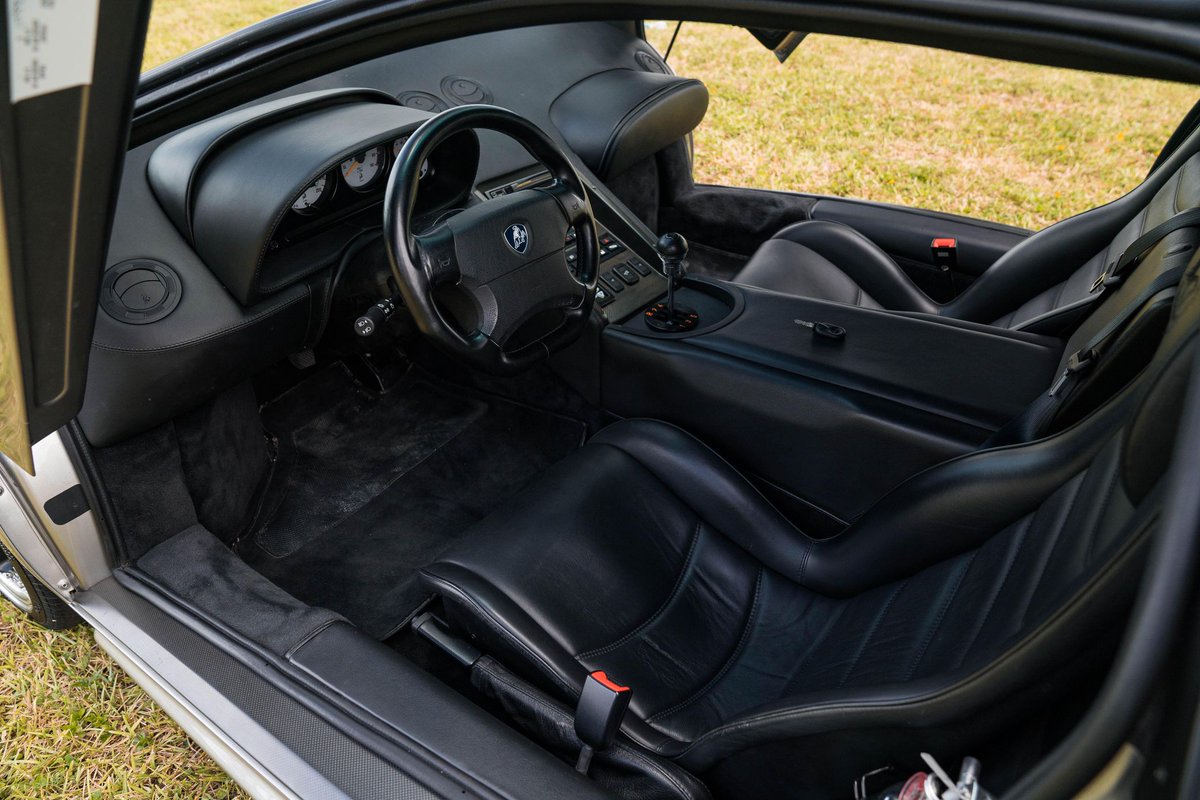
Here’s the part every bedroom-poster kid eventually learns: a Diablo SV is not built around your comfort. The driving position can feel offset, the footwell is tight, and the windshield is so low and raked that you sometimes feel like you’re peering out of a stylish mail slot. The pedals can feel slightly skewed, the reach to controls can be “Italian ergonomic roulette,” and visibility is… let’s call it optimistic. But that’s also the charm: you don’t sit in a Diablo SV so much as you strap it on.
Pop culture: Need for Speed made the SV immortal
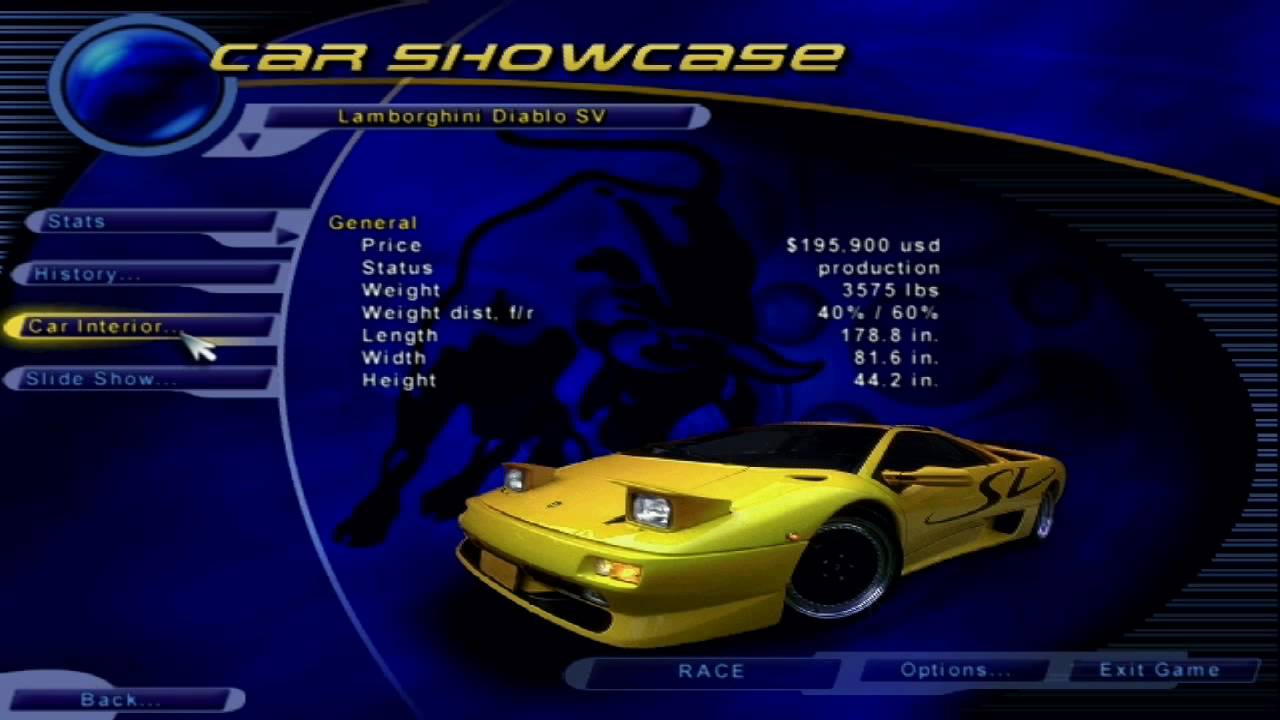
The Diablo was already a legend, but the SV got a specific kind of fame: video game superstardom. For a whole generation, the Diablo SV wasn’t just a car—it was the car you picked when you wanted maximum drama on-screen. Most famously, it featured in Need for Speed III: Hot Pursuit, where it could show up as a top-tier weapon in the fast lane and even as a pursuit car. Translation: the SV was cool enough to be both the outlaw fantasy and the law’s “fine, we’re done playing nice” answer.
That matters because it locked the Diablo SV into the culture in a way that goes beyond spec sheets. People who’ve never heard a real Diablo in person still recognize the shape, the wing, and the SV graphics because they’ve chased it, escaped it, or picked it on a character-select screen. The SV became a shorthand for “serious car” long before most of us knew what mid-engine even meant.
Spotter’s guide: how to recognize a Diablo SV fast
- Door decal: the oversized “SV” script is the loudest clue in supercar history.
- Rear wing: many SVs wear a tall, unmistakable spoiler—pure 90s swagger.
- Wedge profile: flat roof, sharp nose, and a windshield that looks like it’s leaning forward.
- Scissor doors: the Diablo’s signature party trick—up and out like a switchblade.
- Side intakes: big scoops behind the doors feeding the mid-mounted V12.
- Rear haunches: the car looks widest over the rear wheels, like it’s bracing for launch.
- Headlights (era clue): pop-ups on earlier cars; fixed units on later facelift SVs.
- Sound: a naturally aspirated V12 that builds from bassy rumble to metallic scream with instant throttle response.
- Driving vibe clue: slightly awkward ergonomics + intense cabin sensations = very Diablo, very SV.
The Diablo SV sits in that sweet spot where car trivia, design iconography, and cultural memory all overlap. It’s instantly recognizable from a single angle. It has a sound you can describe with your hands. And it’s tied to the kind of pop culture touchstones—like Need for Speed—that turned car enthusiasm into a lifelong hobby for a lot of us.
If you love the moment of “I know that car” when a blurry image pops up on your screen, the Diablo SV is basically a cheat code for your brain. And if you want to prove your poster-car instincts are still sharp, there’s only one proper next move: go play DailyCarQuiz—fire up Cardle and see how fast you can spot icons like the Diablo SV from the tiniest clues.