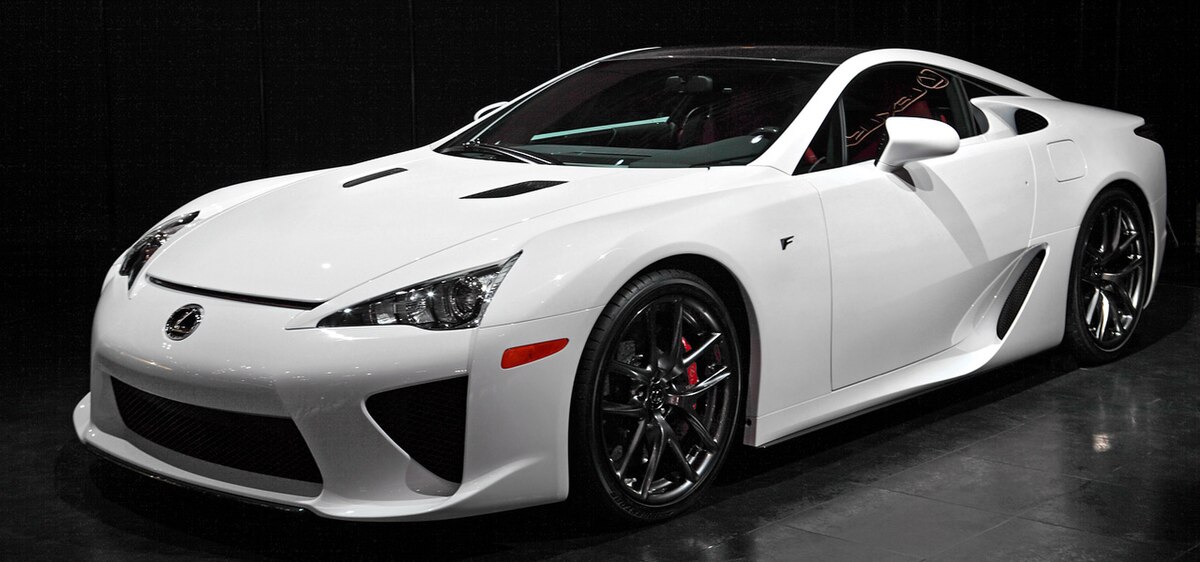
The Howl of the Lexus LFA (and the weird little tells that give it away instantly)
Some cars are iconic because they’re fast. Some because they’re rare. The Lexus LFA is iconic because it has a signature — a rising, razor-clean howl that you can identify blindfolded.
Jeremy Clarkson basically sealed the LFA’s legend for a whole generation of car nerds when he said: “If somebody were to offer me a choice of any car that had ever been made, ever, I would take a dark blue LFA.” That’s Clarkson-speak for “favourite car,” and if you’ve ever heard an LFA at full noise, you immediately get why.
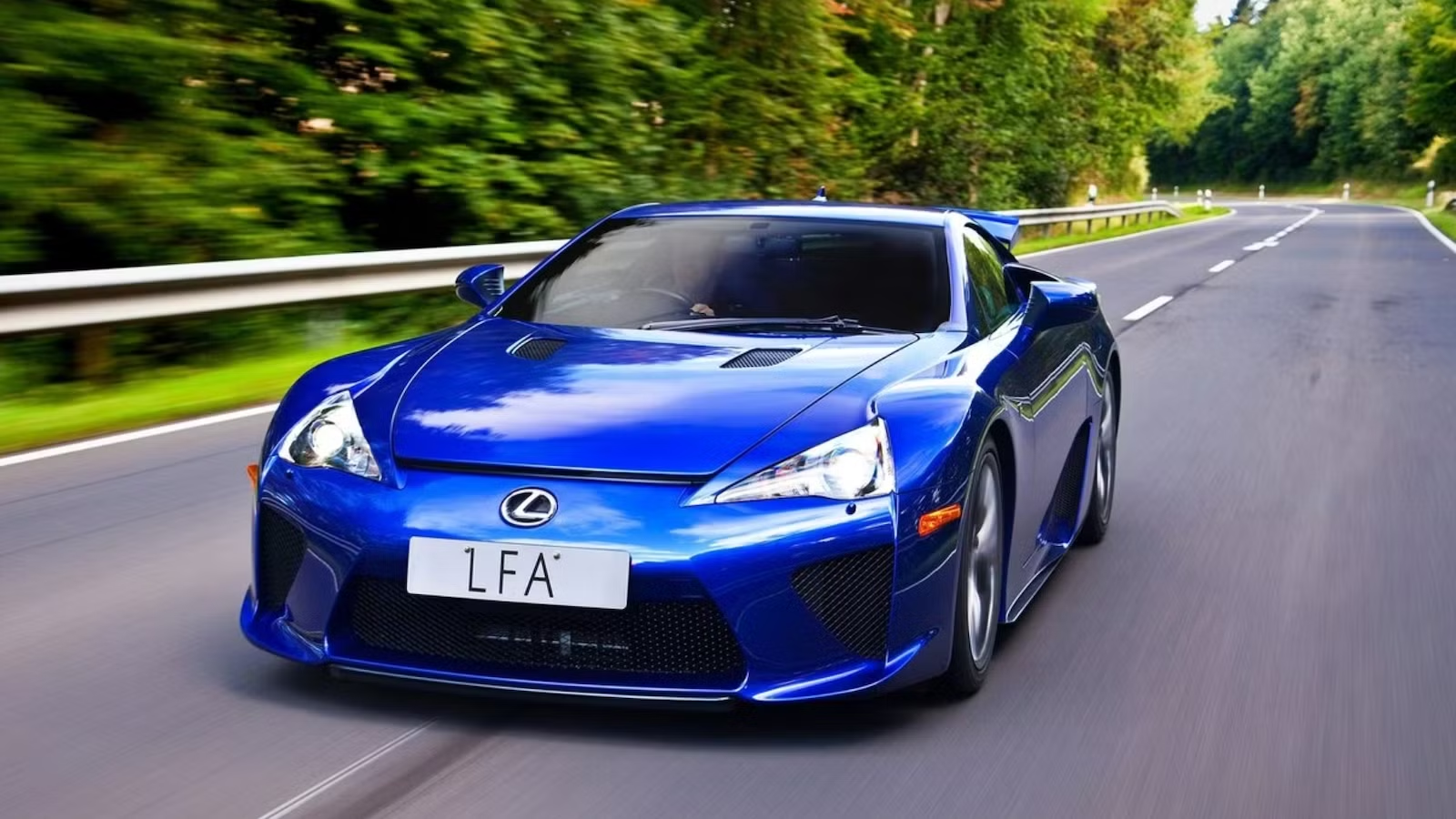
And the best part is: even before it revs, the LFA has a few unmistakable visual clues that make it instantly recognizable — the stacked triple exhaust, the famously meme’d front ‘gap’, and an interior detail that exists for one reason only: because the engine is too wild for a normal gauge.
Let’s break down what makes the LFA so identifiable… and why it howls the way it does.
How to identify an LFA in one second
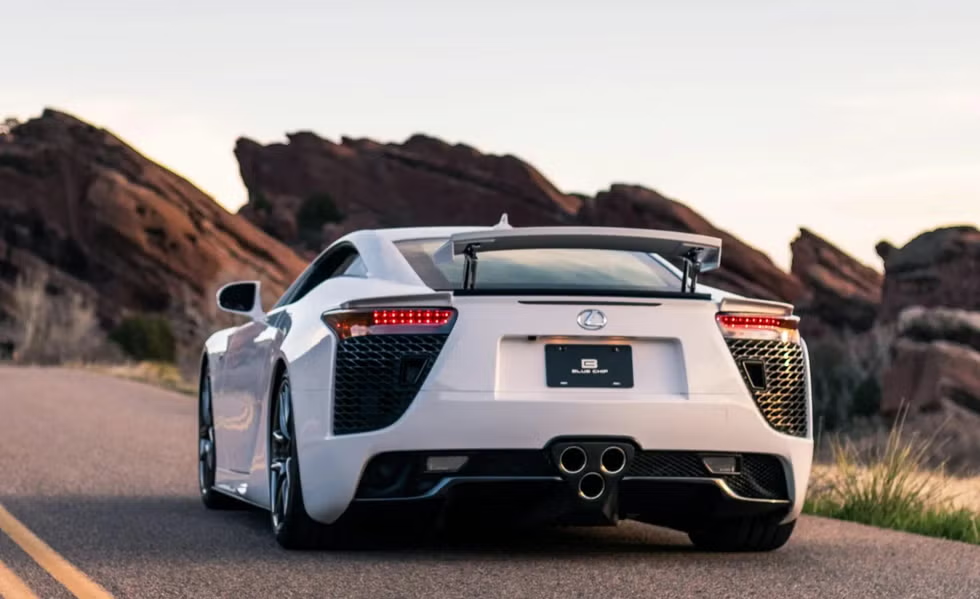
If you only catch a glimpse, the LFA gives itself away with a few calling cards:
- - The stacked triple exhaust (center-mounted): three pipes arranged in a tight triangle. It looks weird on purpose, and once you’ve seen it, you’ll never confuse it for anything else.
- - That infamous “gap” up front: the visible slit/opening in the nose/hood area that looks like a panel-gap meme waiting to happen. (Top Gear absolutely could not resist.)
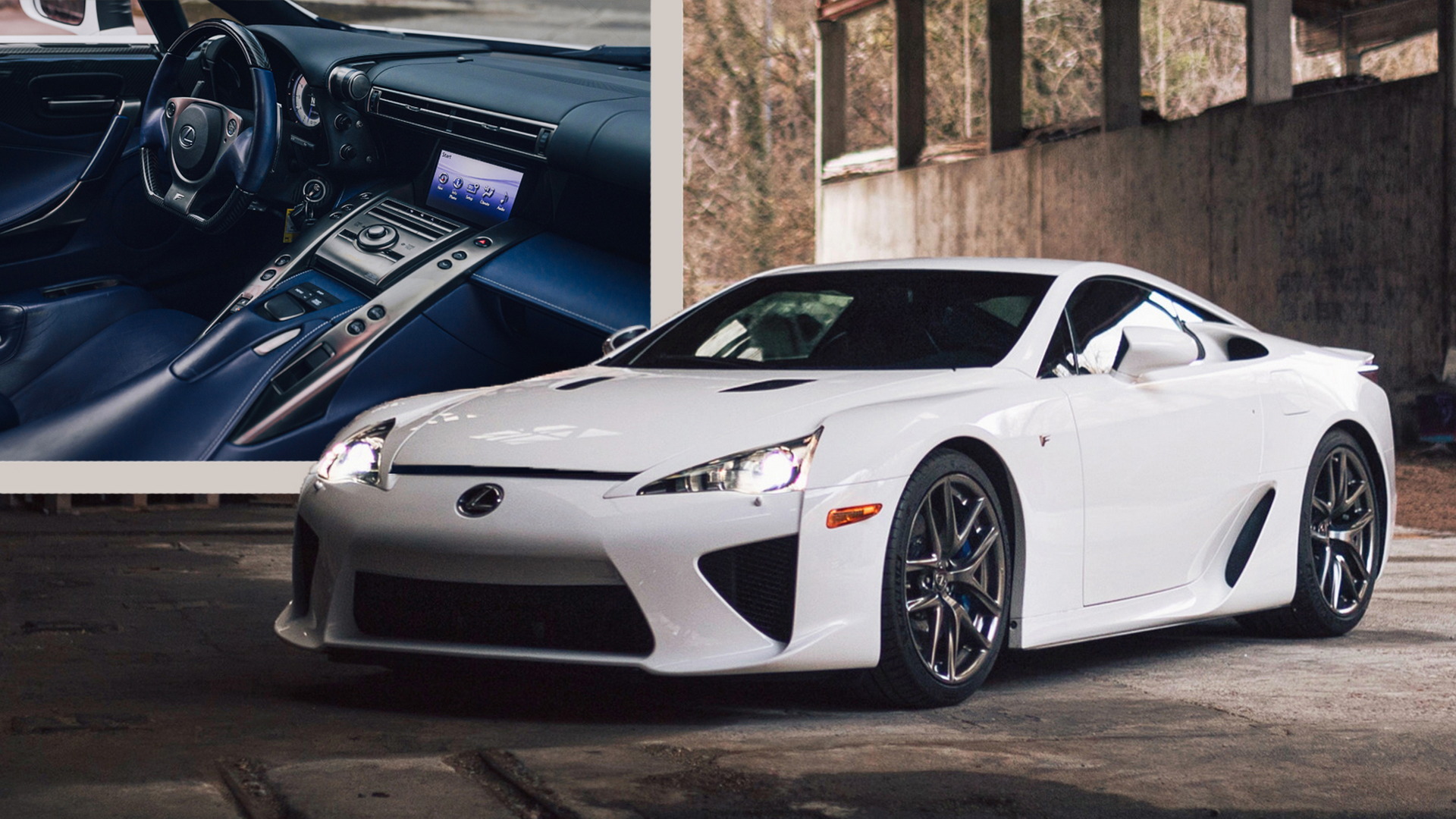
- - The digital tach: not for style — because Lexus claimed the V10 can rip from idle to redline so quickly an analog needle wouldn’t track it properly.
This car was engineered like an instrument.
The Top Gear “panel gap” roast (DailyCarQuiz-core trivia)
Top Gear Series 19, Episode 2 is basically a greatest-hits compilation of Clarkson, Hammond, and May doing what they do best: being dramatic, petty, and hilarious over details nobody else would notice.
When they get up close to the LFA’s front end, the conversation immediately goes from “wind tunnel” to “panel gap,” and Clarkson jokes about how many fingers you could fit in it. It’s right there in the episode’s dialogue.
It’s such a perfect LFA moment: a car built with obsessive intent… getting roasted for looking too engineered. And honestly? That roast helped make the car even more memorable.
Why the LFA doesn’t just sound good — it sounds unmistakable
Lots of cars are loud. The LFA is clear.
That clarity comes from three big ingredients working together:
1) A naturally aspirated V10 that lives at the top end
No turbos, no muffled whooshes, no softened edges — just a high-revving V10 whose whole personality is “keep pulling, keep climbing.” The LFA’s redline is 9,000 rpm, which is a massive part of why its note rises into that sharp, exotic scream instead of staying bassy and blunt.
High rpm matters because it changes the entire frequency of what you hear:
- - more rpm = more combustion events per second
- - more events per second = higher pitch
- - higher pitch + clean harmonics = that famous howl
2) The intake is part of the soundtrack (not just the exhaust)
Most people think “good sound” is all exhaust. Lexus leaned into the idea that the LFA’s voice should be a blend of induction sound (air being pulled in) and exhaust sound (gases being pushed out).
In Lexus’ own release material, they describe an acoustically tuned surge tank linked to 10 individual throttle bodies, creating a strong induction sound, and they call out how intake and exhaust sounds overlap at various RPMs to create a “unique” soundtrack.
That’s exactly what the howl feels like: not just noise behind you, but a living, mechanical note that builds from the front of the car too.
3) Equal-length exhaust tuning keeps it “musical” instead of messy
Lexus also highlights equal-length exhaust work and a multi-stage titanium muffler used to fine-tune the exhaust note. The result isn’t just volume — it’s definition. The sound stays intelligible as it climbs, instead of blurring into a generic roar.
Why the LFA feels irreplaceable now
The LFA landed in a moment that basically doesn’t exist anymore:
- - naturally aspirated, high-rev engines are rare
- - regulations are stricter
- - turbo engines dominate (and they fundamentally change the sound signature)
So the LFA’s howl has become a time capsule — a last great naturally aspirated war cry that feels impossible to fake.
And that’s why Clarkson’s “dark blue LFA” quote still gets repeated like scripture.
Because this car didn’t just perform — it left behind a sound you can recognize from a single second of audio… and a few instantly recognizable details you can spot from across a parking lot.