There’s a certain kind of 2010s fast-car energy that hits you before you even process the badge: squat stance, flared hips, four exhaust tips, and that unmistakably modern BMW face. That’s the F-series BMW M4 (F82 coupe / F83 convertible) — the car that dragged BMW’s M coupe into the turbo era and accidentally became a whole culture for the younger enthusiast crowd.
Why the F82 M4 Is Instantly Identifiable
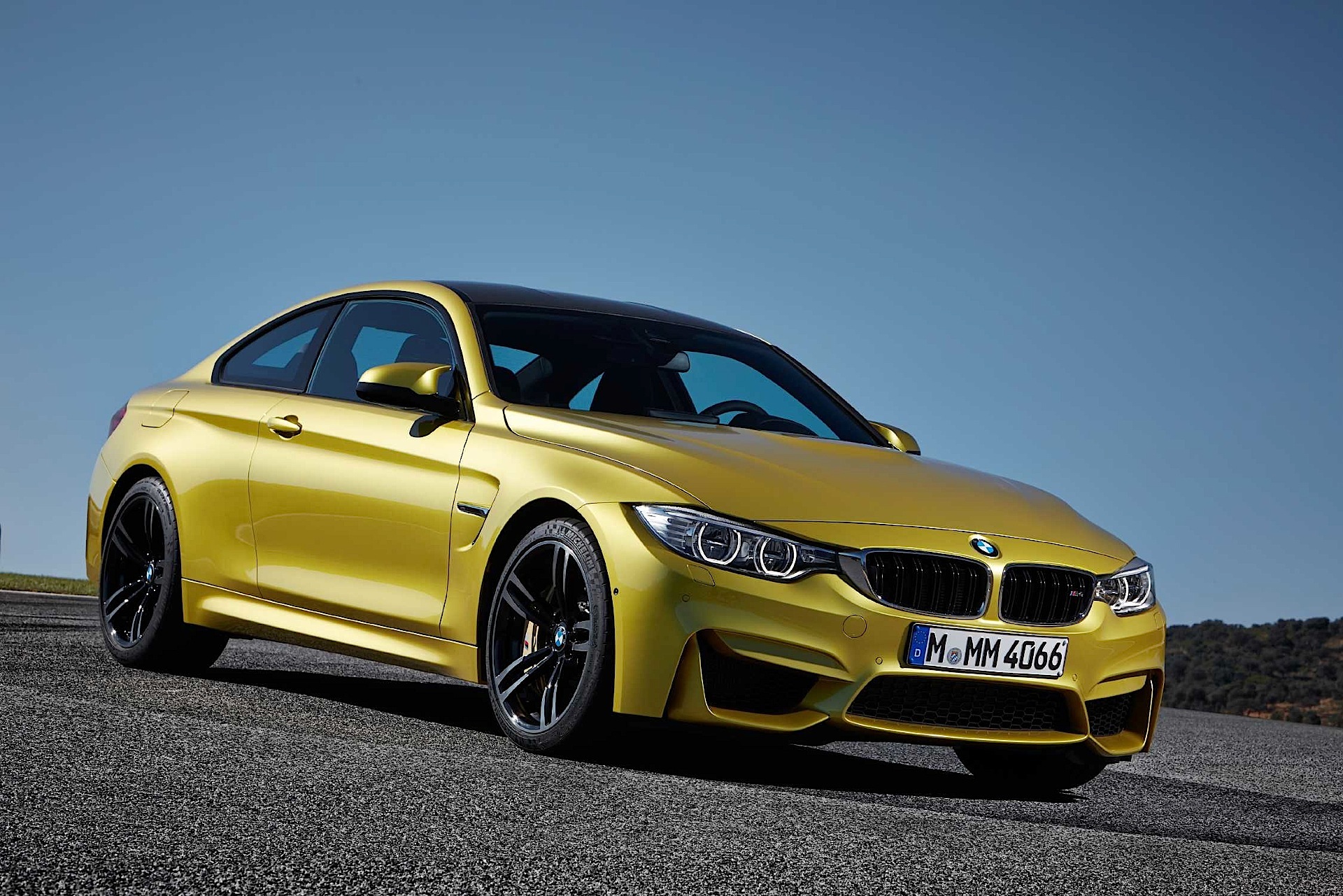
The F82 M4 has a superpower: it looks like a BMW in the way your brain expects, but turned up to “gym bro in a tailored suit.” Unlike later designs that went for shock value, the F-series M4 keeps the classic BMW proportions — long hood, tidy greenhouse, and wide rear — then adds a bunch of cues that scream “M car” without needing a close-up.
Start with the face. The kidneys are wide and familiar, not towering. The headlights have that sharp, focused stare, and the front bumper has big corner intakes that make the whole thing look like it’s inhaling lane markings. Then you notice the little stuff: the power-dome hood, the aggressive lower splitter, and the way the car sits wide — like someone pushed the wheels out to the edges for stability (because they did).
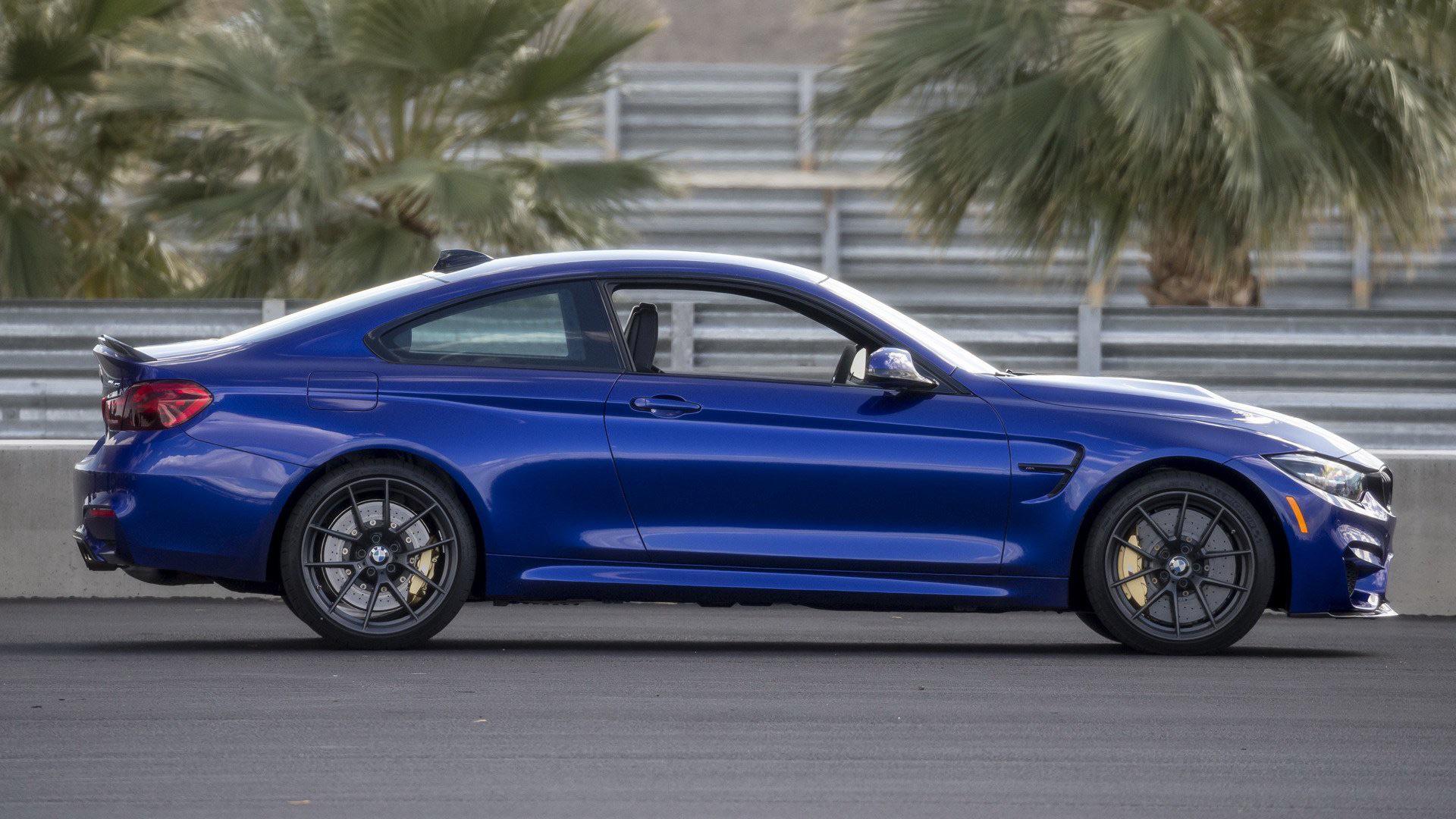
Now walk to the side and it becomes painfully obvious what you’re looking at. The F82 has those signature fender vents (often called the “M gills”) behind the front wheels — a detail that’s basically a spotter’s shortcut. Add the sculpted M mirrors and the subtle-but-real muscle over the rear arches, and it’s the kind of shape you can recognize in a blurry video at 2 a.m.
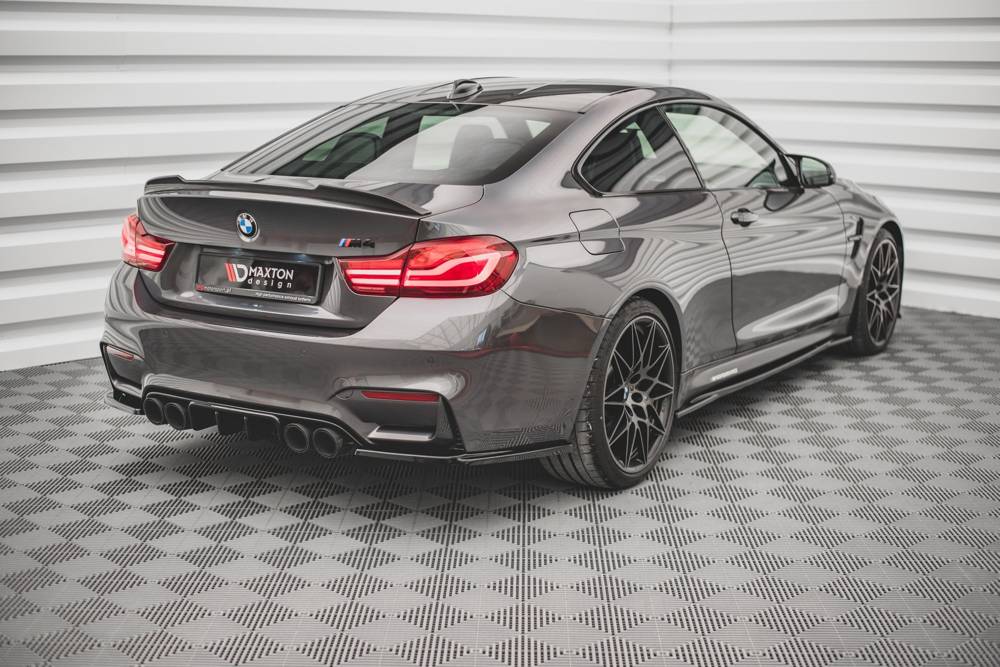
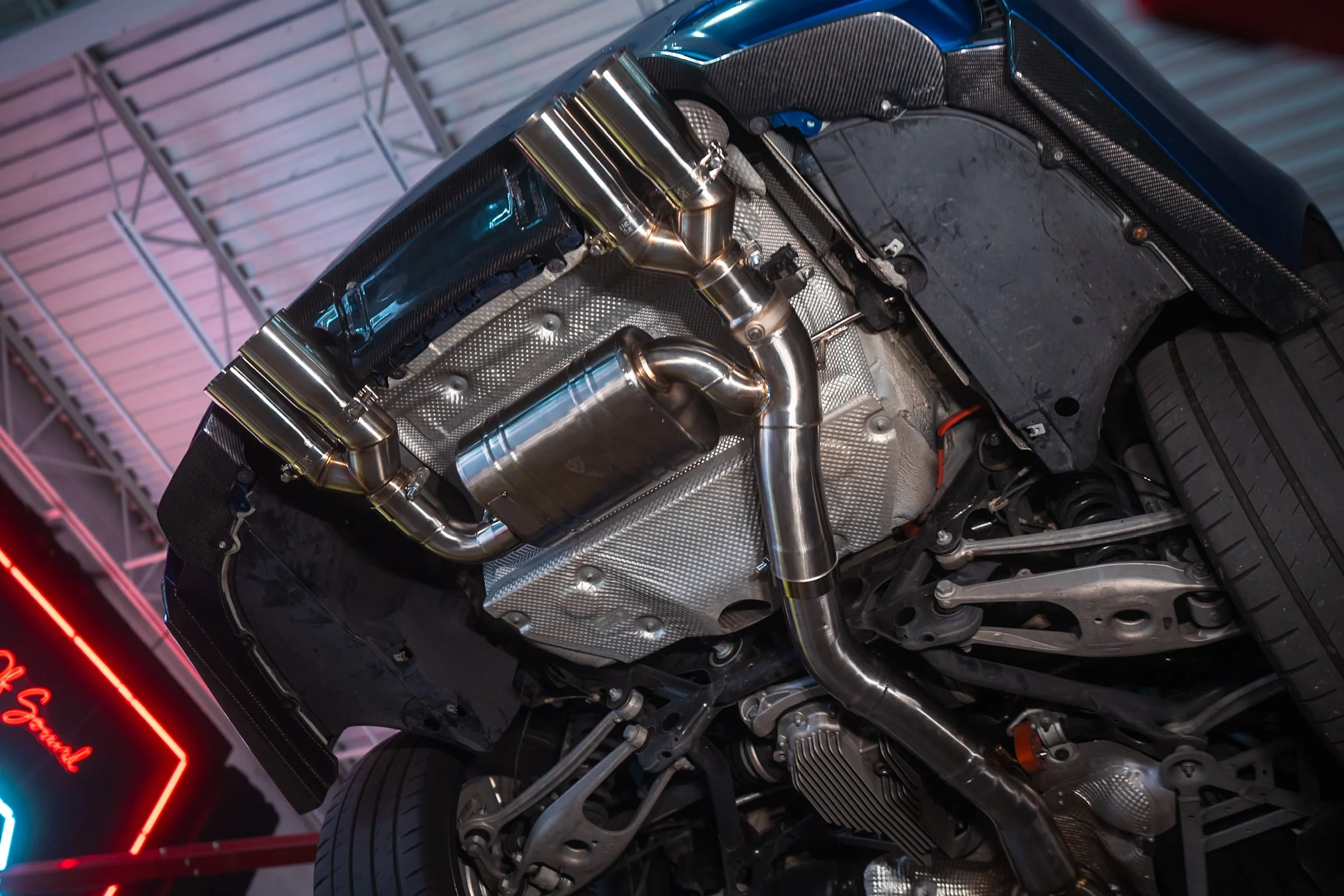
And yes, the rear is the closer. The F82 M4’s quad exhaust tips are spaced like punctuation marks, sitting under a diffuser that looks more functional than decorative. The taillights do that clean BMW ‘L’ signature, and the whole rear-end reads wide, planted, and slightly menacing — like it’s always halfway through a pull.
The Sound: The M4 Went Back to a Six (and Started a Debate)
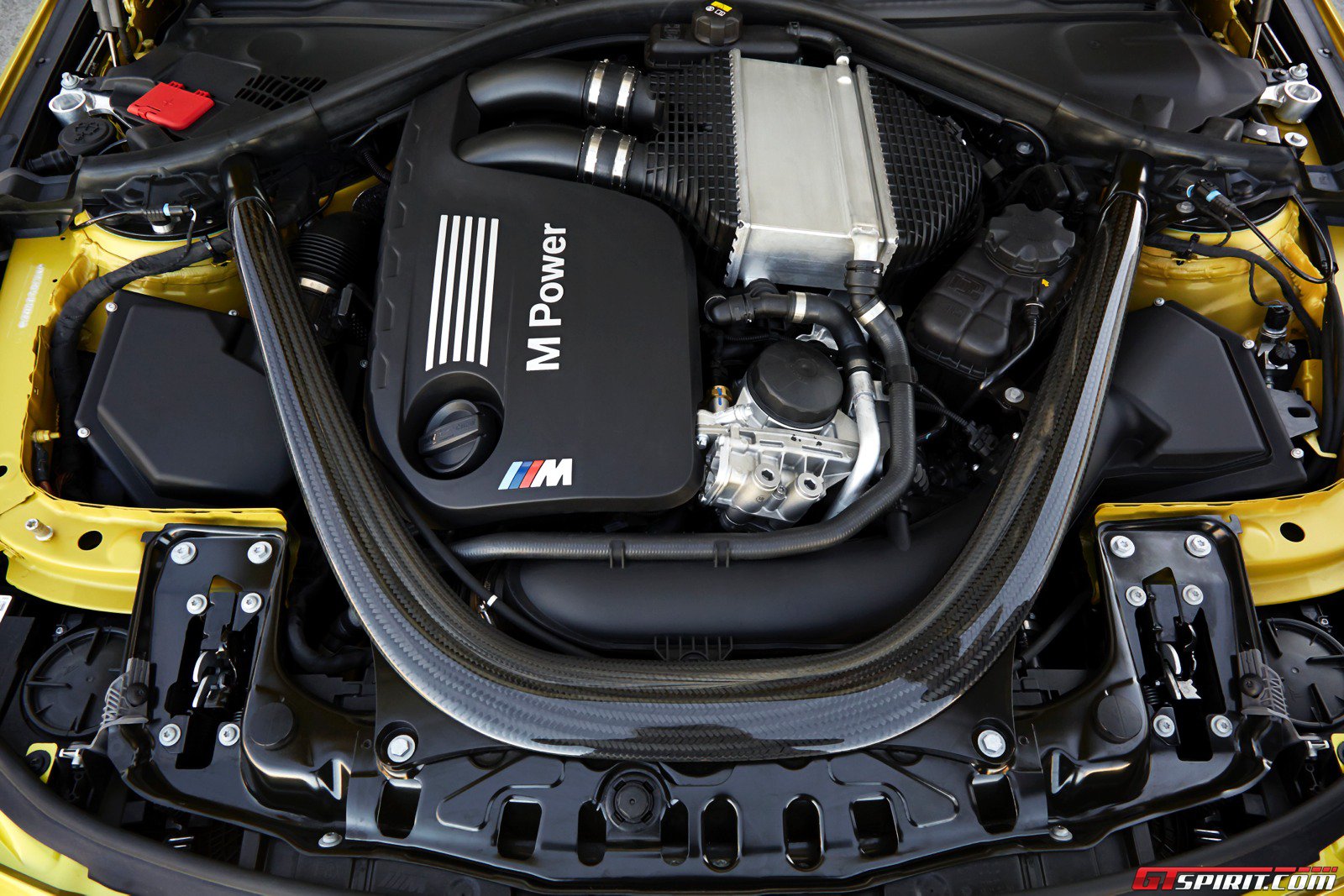
The F-series M4 is also a “before and after” moment in BMW history because it marked the big shift: back to an inline-six. The generation before it (the V8 era) was famous for a high-rev howl that felt like a touring car on a coffee binge. Then the M4 arrived with the S55: a turbocharged inline-six built for torque, boost, and real-world speed.
Here’s the honest enthusiast take: the stock F82 sound is not particularly flattering… but it’s absolutely recognizable. Turbos naturally muffle and smooth out some of the crisp, naturally aspirated edge, and the M4’s factory exhaust tends to lean metallic and raspy in the midrange. It’s less “Italian opera” and more “German power tool,” especially when the car is working hard between 3,000 and 6,000 rpm.
Still, it has signature tells you can pick out quickly:
- Cold start bark that snaps to attention, then settles into a dense, slightly grumbly idle.
- Midrange rasp under load — a gritty, metallic edge that’s basically the F82’s audio fingerprint.
- Turbo whoosh on quick throttle stabs (subtle stock, louder with intake mods).
- Overrun burbles on lift-off — those pops are often calibration-driven, but they became part of the M4’s identity anyway.
Quick translation for non-nerds: overrun burbles are those pops and crackles when you lift off the throttle, caused by how fuel and ignition are managed during deceleration. Some cars do it naturally; many modern performance cars exaggerate it because people love the drama.
The Equal-Length Midpipe: The Mod That Changes the Entire Personality
If you’ve ever heard an F82 M4 and thought, “That’s cool, but why is it kind of… raspy?” you’ve stumbled into the exact reason equal-length midpipes became a rite of passage. An equal-length midpipe is an exhaust section designed so the two exhaust paths are balanced in length before they merge. When the pulses line up more evenly, the tone usually becomes smoother, deeper, and less ‘buzzy’ — like the engine suddenly learned how to sing in tune.
This is why the sound can change drastically with one swap. Two M4s can roll past you back-to-back, and one sounds sharp and raspy while the other sounds richer and more composed — and that difference can be mostly midpipe design, not just volume. In the younger community, it’s a classic flex: “Same car, same engine… completely different vibe.”
Pop Culture and Community Lore: How the F82 Became a 2010s Icon
The F82 M4 didn’t just become popular — it became everywhere. This was peak era for YouTube pulls, Instagram car photography, and the rise of “daily drivable but stupid fast” builds. The M4 landed right in the sweet spot: expensive enough to feel special, common enough to be seen weekly, and tunable enough to become the hero (or villain) in a thousand street clips.
Anecdote #1: The burble era. If you were online in the mid-to-late 2010s, you know exactly what happened: pops and crackles became a personality trait. The F82 M4 was one of the poster children for that trend — sometimes tasteful, sometimes absolutely unhinged, and always capable of starting an argument in the comments.
The F82 M4 is the car that taught a whole generation the difference between ‘sounds cool’ and ‘sounds loud.’
— Every car meet parking lot philosopher
Anecdote #2: The “default fast BMW” in games and edits. The F82 shows up constantly in racing games, drift compilations, and social-media edits because it looks aggressive from every angle and reads as “serious performance” even to non-enthusiasts. It’s the kind of car where a two-second clip — headlights, wide hips, quad pipes, quick spool noise — is enough for your brain to label it instantly.
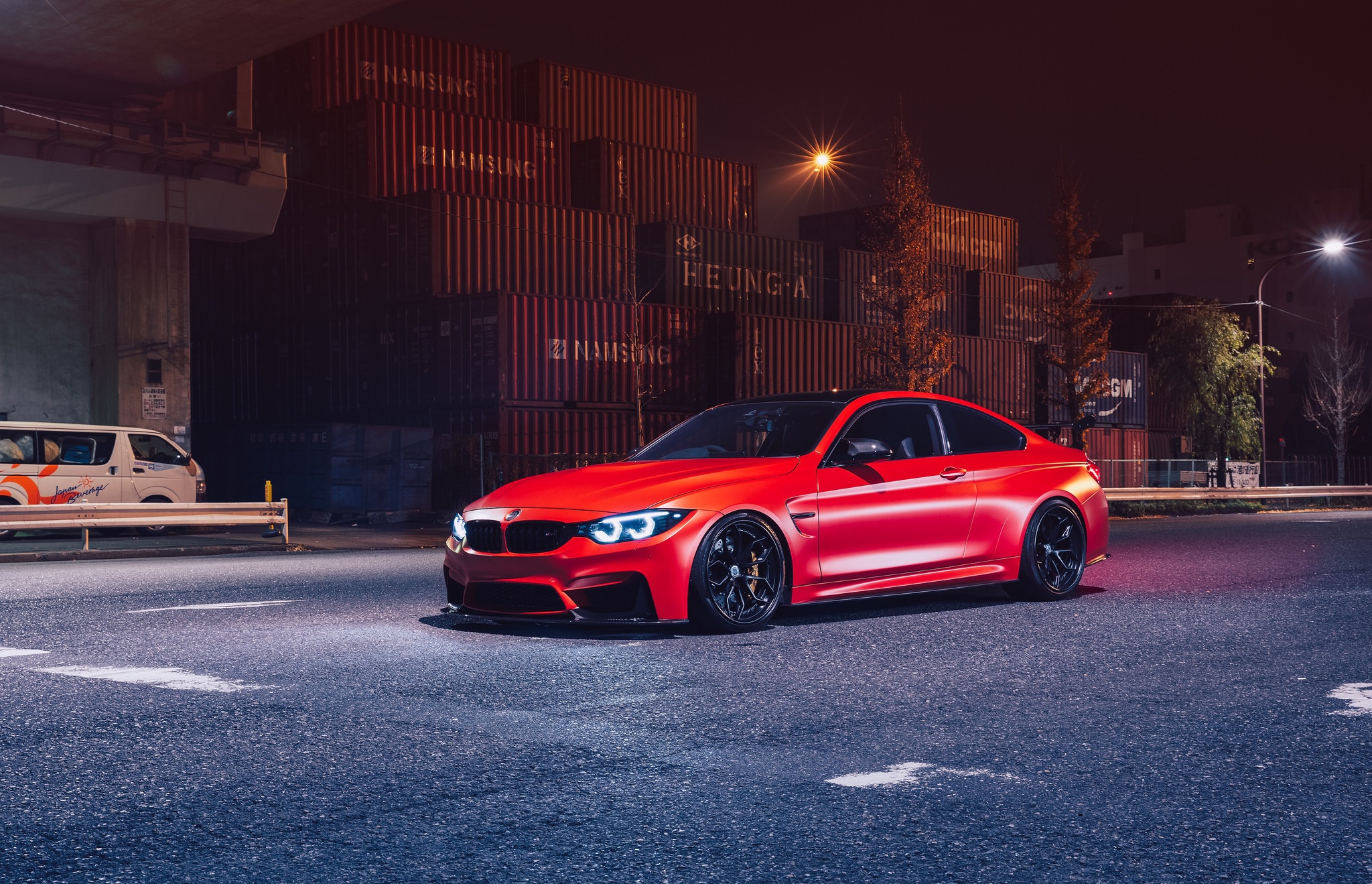
And that’s the real significance for the younger community: the F82 M4 became a modern reference point. It’s the car people compare everything to — the benchmark for ‘fast daily,’ the platform for first serious mods, and the machine that made turbo-six BMW performance feel normal (which is wild when you think about it).
Spotter’s Guide: How to Identify an F-Series M4 in Seconds
If you’re trying to ID an F82/F83 M4 quickly — on the street, in a video, or in a DailyCarQuiz challenge — these are the quickest tells that separate it from a regular 4 Series (and from other M cars).
- Classic wide kidney grilles (not the tall vertical style of later generations).
- Fender vent (“M gill”) behind the front wheel with an M4 badge — extremely distinctive up close and even in motion.
- Carbon-fiber roof on the coupe (dark roof panel is a classic F82 giveaway).
- M mirrors with the sculpted double-arm shape.
- Wide rear quarters and a stance that looks planted even when stock.
- Quad exhaust tips spaced wide, sitting under a diffuser.
- Sound clue: a recognizable turbo inline-six with that midrange metallic rasp.
- Modded sound clue: if it suddenly sounds deeper and smoother than you expect, an equal-length midpipe is a common suspect.
Quick nerd notes (no gatekeeping):
- Chassis: F82 (coupe), F83 (convertible)
- Engine: S55 3.0L twin-turbo inline-six
- Signature sound trait: metallic midrange rasp (stock)
- Popular sound fix: equal-length midpipe to smooth pulse timing and deepen tone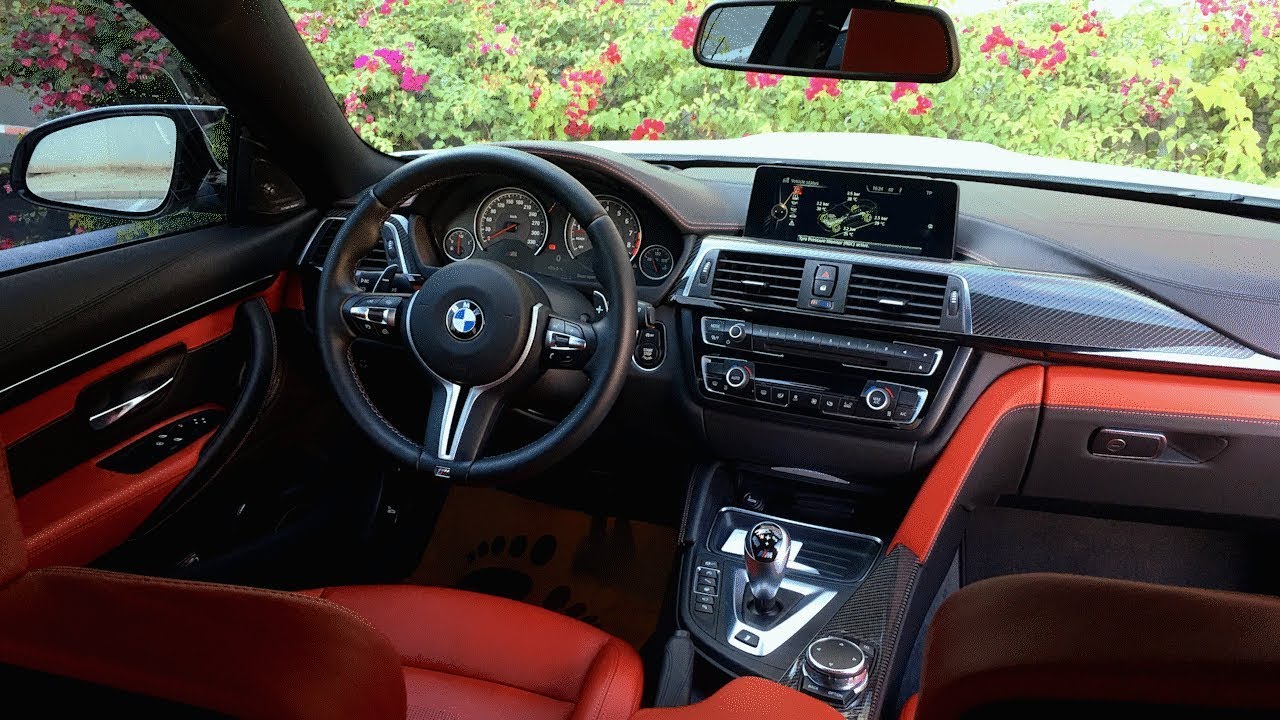
The F-series M4 is perfect trivia bait because it’s identifiable from multiple angles: the fender vent and classic BMW face, the wide-hip stance with quad tips, and that turbo-six soundtrack that’s instantly recognizable — even if it isn’t everyone’s favorite tone stock. Add the equal-length midpipe transformation and the huge cultural footprint with younger enthusiasts, and you’ve got a modern icon that’s both easy to spot and fun to debate.
Now go prove you can spot it. Jump into Cardle on DailyCarQuiz and see if you can call the F82 M4 from just a few visual clues — especially when the angle hides the obvious stuff. If you can nail it before the grille and quad tips give it away, you’re officially dangerous.